
Lipo-Sachets: How to make vitamin D supplementation simple this winter
It’s true—restricted diets are a way of life for many and a literal lifesaver for some, but the wider conversation now is exploring how the benefits can often be compromised, due to nutrient shortfalls which, as it turns out, impact almost everything.
It makes sense that when you restrict or excessively modify your food intake, your body may not get all the nutrients it needs. Typically, diet interventions of any kind focus on restricting macronutrients like carbohydrates, protein, and fat, but when you lower the intake of these essential groups on an ongoing basis, you also restrict micronutrients (that is, vitamins and minerals) and other essential nutrients, such as fibre and antioxidants.
And although vitamins and minerals are sometimes only needed in small amounts, and each varies from person to person, they’re vital to maintaining a healthy metabolism and key enzyme processes, as well as the likes of hormone production and protection from oxidative stress.
It’s worth noting that nutrient deficiencies aren’t always serious in the beginning stages, but it’s best to try to avoid them altogether. In most cases, official advice suggests that you can prevent them with a well-balanced diet that includes plenty of nutrient-dense foods like fruits, vegetables, whole grains, healthy fats, and lean protein, but thanks to the nature of modern life, often that’s easier said than done.
One of these often missing from the modern makeup is Vitamin D—an essential vitamin that supports normal calcium and phosphorus levels in the body, and also plays a role in supporting the maintenance of proper bone structure. There are different forms of vitamin D, including ergocalciferol (vitamin D2) and cholecalciferol (vitamin D3), and restrictive diets significantly increase the risk of vitamin D deficiency, particularly because so few foods naturally contain it. It can be especially prevalent among those following a vegan or vegetarian diet for ethical reasons, as natural vitamin D3 is found almost exclusively in animal products. Key sources include fatty fish, egg yolks and fish liver oils, so if these don’t play a role in your weekly shop, then supplementation comes highly recommended by medical professionals and nutritionists alike.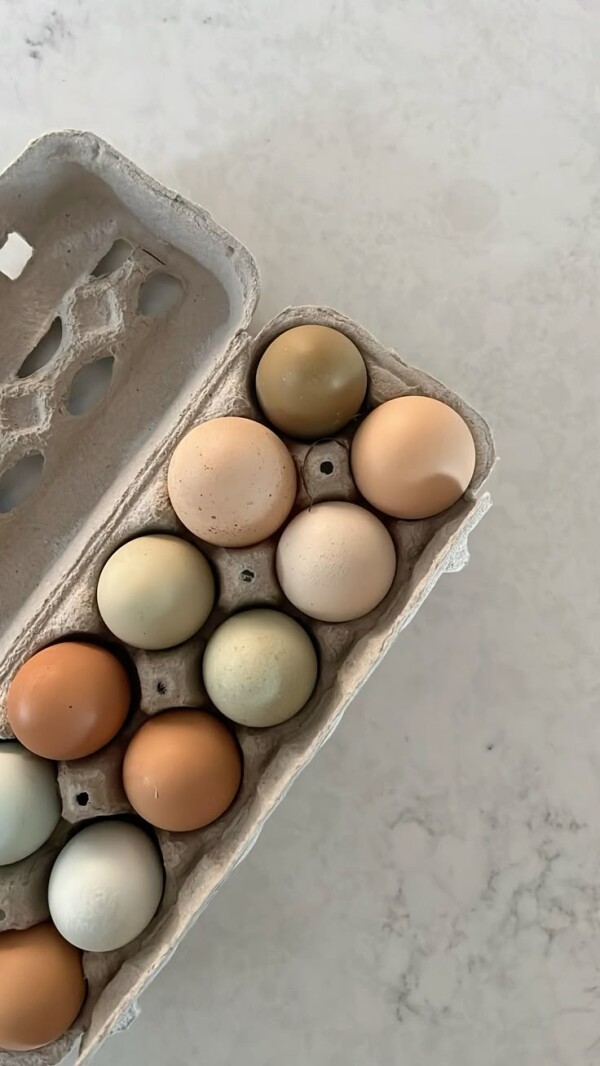
And we all know that vitamin D is made in the skin when exposed to sunlight, so during the cooler months when nights are longer and days greyer, a quality supplement can help boost your stores exactly when you need them. Lipo-Sachets(R) make supplementation a breeze: their Vitamin D Lipo-Sachets(R) contain a high-dose liposomal Vitamin D3 liquid that provides 4 times higher absorption compared to standard capsules, to support bone and immune health.
Enclosing vitamin D in tiny homogeneous LIPOSHELL® liposomes enables dispersion in water and effective transport to sites in the body where it is required, making more vitamin D available to cells for optimal absorption
Just the trick to see us through to the summer months, we hope.
LIPOSACHETS.COM/NZ/
Always read the label and use as directed. Vitamins are supplementary to a balanced diet. AFT Pharmaceuticals Ltd, Auckland
Advertisement