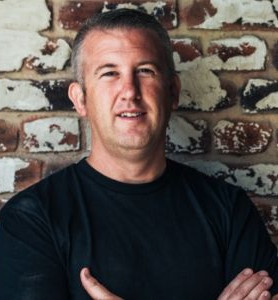
Good Charlotte are back — inside Motel Du Cap and the band’s most personal chapter yet
We’ve all got that one band that’s been a constant—the failsafe listen that soundtracks both mood and memory. For me, that creature-comfort sound skews heavier, defined by a nostalgic spike of pop-punk attitude, raw vocals, and lyrics that bleed passion. Few have perfected that formula quite like Good Charlotte. For three decades, the brother-led band has championed the underdogs, dreamers, and perfectly imperfect alike through an ‘anthem’ arsenal of rebellion and resilience.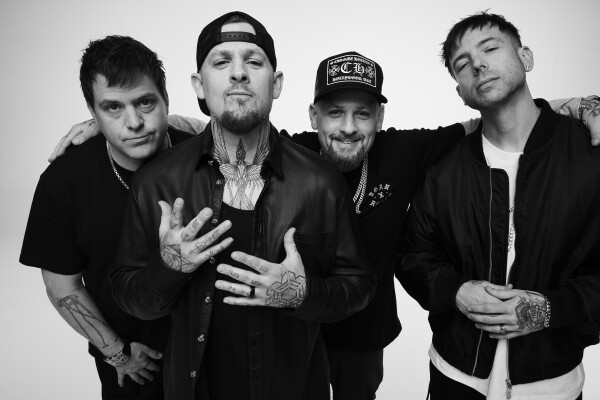
After a seven-year hiatus, they return bigger, tighter, and better than ever with Motel Du Cap—a record instantly recognisable as theirs within ten seconds flat. But this isn’t nostalgia for nostalgia’s sake. Tracks like ‘Deserve You’ and ‘Life Is Great’ nod to new sonic explorations, while ‘I Don’t Work Here Anymore’ captures the band’s growth—both personally and professionally. Speaking with Joel Madden ahead of the band's Motel Du Cap World Tour (a tour that, for once, kicks off Down Under), it’s clear he’s a man grounded by perspective, despite his superstar success. Calm, reflective, and refreshingly real, the musician's energy mirrors the band’s new era: authentic, intentional, and proof that, no mum—it was never just a phase.
It’s been seven years since the last album release (Generation Rx). What have you been up to?
The last seven years have been really focused on family. My kids are teenagers now, so I’ve been trying to be present—showing up, making memories, and not missing those moments before they’re grown and gone. Outside of that, I’ve been busy with MDDN, our record company, and my podcast Artist Friendly, which I love doing. Honestly, it’s been a pretty normal rhythm of life.
And why now, after seven years off, are you called back to Good Charlotte with the latest release, Motel Du Cap?
We didn’t know when we’d make another record or play another show, but it happened really organically. We played the afterparty at Nicole’s sister, Sofia Richie Grainge’s, wedding, and the whole band put so much love into that performance. It was such a memorable night that, after a few drinks, we said, ‘We should make a record.’ A week later, we were still serious, so we started writing and finished it in just a few months. It’s such a special little record for us, and that word special really sums up everything we do now. We want every moment—especially for fans seeing us live for the first time—to feel thoughtful, memorable, and bigger and better than ever.
What version or era of you does Motel Du Cap represent?
Motel Du Cap gives a glimpse of who we are today. When you come to the show, you’ll still get all the nostalgia—the old songs, the memories— but everything sounds bigger, tighter, and better than ever. There’s something powerful about revisiting that history from where we stand now. We’re playing the best shows of our lives—and for a lot of fans, it’s their first time seeing us live. That’s been really special. This record reflects that energy. We don’t care if it’s our biggest record; it’s just a cool little personal piece of us that we’re proud to share.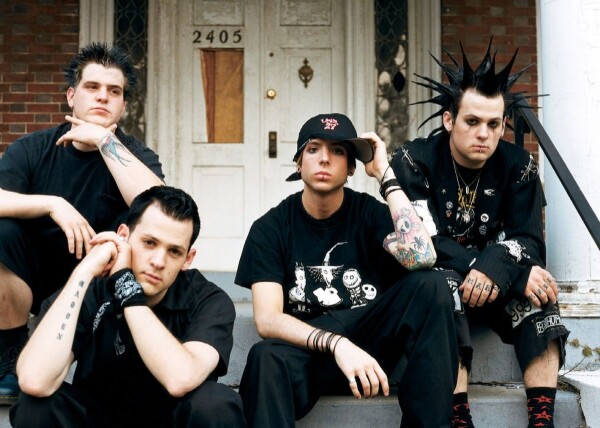
Image via Pinterest
In 25 years of Good Charlotte, you’ve undoubtedly created a distinct sound— within the first 10 seconds of Motel Du Cap, you know it’s you. How important is it that you stay true to yourself, regardless of industry sway and outside noise?
It’s become something I didn’t fully appreciate until now—how important it is to stay true to who we are. With Motel Du Cap, we really arrived at that understanding. Good Charlotte is its own thing—no other band could play our songs the same way. There’s a particular quirk—a personality—that runs through every record, and it comes from us just letting ourselves imagine, experiment, and express ourselves however we want. Those little quirks show up the more you listen to the new record, and for better or worse, no one else could have made it. Sometimes we’re pop-punk, sometimes we’re rock, but mostly, we’re just Good Charlotte. Getting to a place where we’re at peace with that, accepting who we are and owning it, has been a journey. But it’s also what’s made this chapter feel so good. We’re the best version of ourselves because we’re not trying to be anyone else.
Do you ever feel pressure to feed the OG fans’ need for nostalgia when creating new music?
Not really. At MDDN, we’re surrounded by incredible artists like Poppy, Chase Atlantic, Bad Omens, and Idris who are truly artists first, creating purely from the heart, not for commercial gain. That mindset really influenced our return with Motel Du Cap. Sure, you’ll hear old- school Good Charlotte moments, but we’re 46 now, not 26. We’ve grown, we think differently, and that naturally shows in the music. We’ve learnt a lot about ourselves in the process, and honestly, we’re better live now than we’ve ever been. It all just feels natural.
The beauty of GC, for me, is that there’s a song for every feeling—it’s always been that way. Pissed off? ‘I Just Wanna Live’. Sad? ‘Hold On’. Which Good Charlotte record hits home the most with you, and why?
‘I Don’t Work Here Anymore’ really hits home for me. It’s not about a job, it’s about believing in yourself and walking away from things that don’t serve you, whether that’s a relationship, a habit, or a mindset. For me, it was self-esteem. I also hold ‘Hold On’ really close. We wrote it during a time when fans were writing to us about loss, depression, and suicide, particularly during the opioid epidemic. That song was my way of trying to process pain, and it still means a lot when we perform it—both for us and for the fans who’ve connected with it.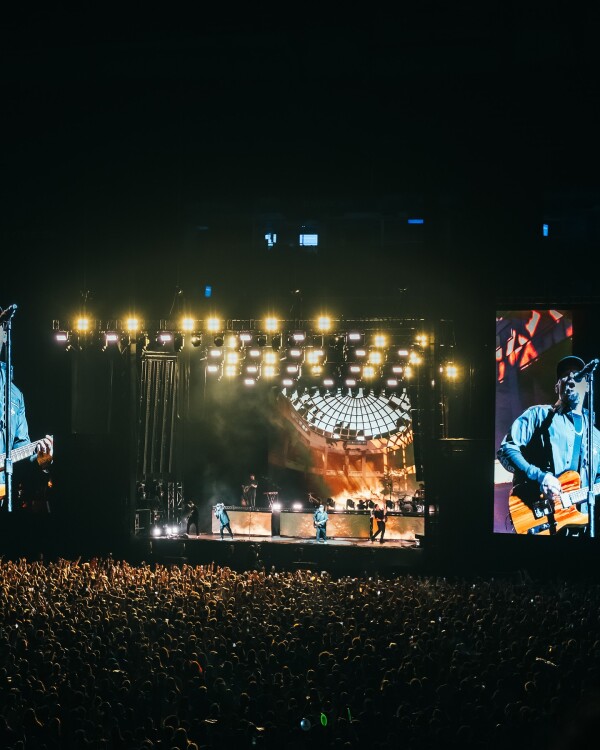
Image via @goodcharlotteband
Which artist or band defined your younger years?
The first band we ever saw live was Beastie Boys—that night changed everything. We were in the nosebleeds and just sat there in awe; we didn’t move, we didn’t sing. In the ’90s, we were lucky to see bands like Green Day, Rage Against the Machine, and Weezer in small 1,500-capacity clubs. Growing up in a small town, we’d hear a new rock song on the radio, buy the CD, read the liner notes, study Alternative Press and try to figure out how bands did it. We were sponges for sure.
Which bands or artists excite you the most about the future of pop punk and rock music?
There are so many right now: Bad Omens, Architects, Poppy, Chase Atlantic, Thornhill, Turnstile. I think people got tired of overproduced, algorithmic music. We want songs that feel human—music that sounds like it was made in a garage, bedroom or recording studio by people, for people. I’m not a purist, but there’s something special about live guitars, raw emotion, and the energy of a real band. I’m glad that, over the last few years, music has returned to being more experimental and emotional.
You’ve seen the industry change in huge ways since your debut—what do you think’s been lost, and what’s actually improved for artists today?
Honestly, I think it’s gotten better. Artists today are more aware, informed and empowered. They’ve seen what’s come before them—the good and the bad—and they’re using that knowledge to take control of their careers. That’s why we started MDDN—to be the people we wish we’d met early on, the ones who tell you how things actually work instead of using that to take advantage. The old system thrived on keeping artists dependent. Now they know they can do it themselves. I always tell artists, ‘You’re your own best manager.’ What you need are partners who share your vision, not people chasing short-term wins. The key difference is that artists today are learning from each other and making smarter choices. There’s still noise and bad apples, sure, but overall, it’s a great time to be an artist who understands their worth.
We’ve seen bands like Oasis, The Kinks, and Dire Straits showcase the disruptions that can arise from working with your brother, but you and Benji seem, from the outside, solid as a rock. What does your relationship with him mean to you?
It’s honestly amazing. I feel really lucky. Benji and I have been through everything together—from having nothing to building this life—and that kind of history gives you perspective. We didn’t always get along perfectly, but we’ve done the work over the years to understand each other and grow together—not just as brothers, but also for me as a dad and a husband. We talk about everything, we go to therapy, and we’re both really open. It makes me sad when I see brothers who don’t get along, because I get so much out of the relationships I have with mine. He’s the first person I call when I need advice or support, and it’s a fantastic relationship to have when you can let your guard down and be totally vulnerable, even with small things like what to wear. I’ll call him and ask, ‘How do I look in this?’ and he’ll be totally honest and say, ‘You know what, try the other one.’
Catch Good Charlotte on the Motel Du Cap World Tour for the LIVE AT THE DOMAIN Auckland concert series on Friday, 27 February 2026
Advertisement