Nessa Barrett's becoming
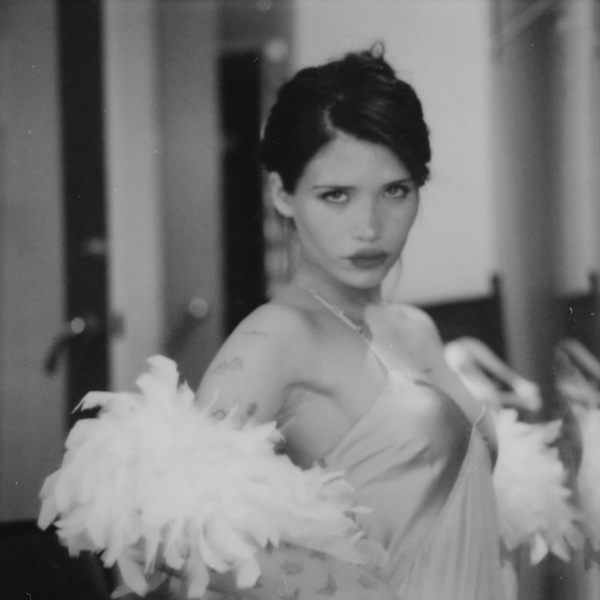
Nessa Barrett has grown up in public, her near-20 million TikTok following charting a shift from early lip-syncs to something far more intentional. At 23, she stands as a true singer-songwriter—one of the few to carry that weight beyond the algorithm. Open about her mental health, she treats music as both an outlet and anchor. ‘I’m always writing as a form of therapy,’ she says. That instinct shapes her latest EP, Jesus Loves a Primadonna—cinematic, seductive, and emotionally direct, with a sound that draws closer to Massive Attack and Born to Die-era Lana Del Rey than anything trend-led.
Interviewed by Martha Brooke
Congratulations on the new EP! Tell us the story behind the title, Jesus Loves a Primadonna…
Jesus Loves a Primadonna comes from a lyric in the song ‘West Coast Prayer’. In the studio, phrases just come to me, and while writing that song, it rhymed with the previous line, and I loved it. It became the title of the whole project and ended up embodying more than I initially intended.
AFTERCARE had this punch to it, whereas this EP feels more ethereal—almost that hypnotic mermaid siren energy, but unguarded with it. What version of Nessa Barrett does this EP represent?
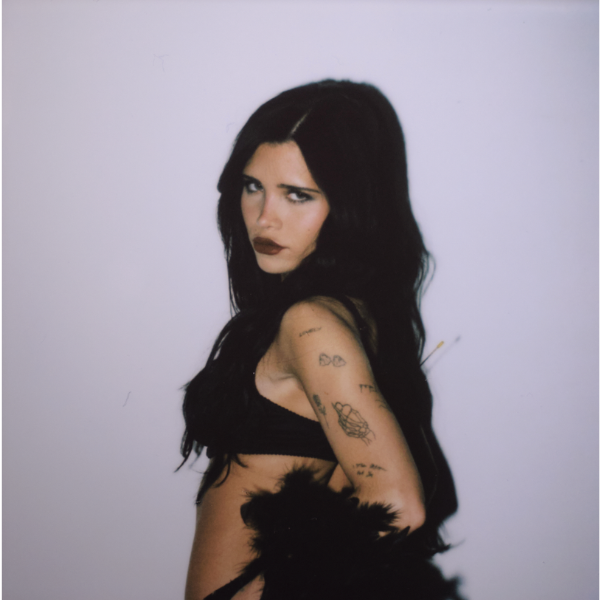
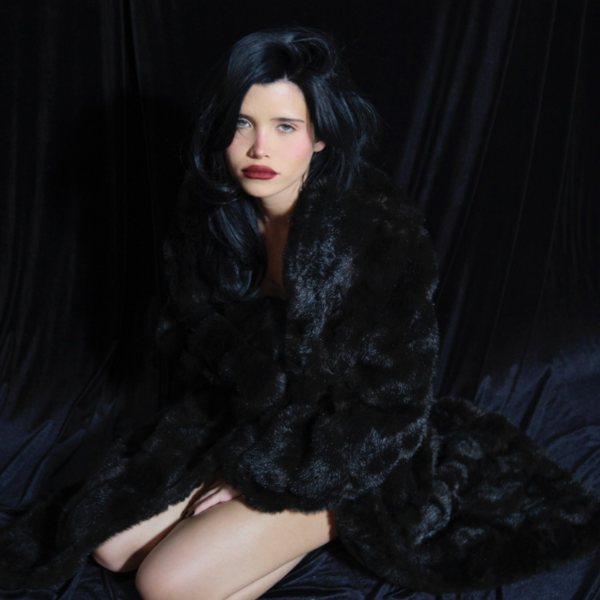
I love that perspective. This EP definitely represents a darker, more ethereal version of me, a witchy, female villain origin story of sorts. I really love dark romance, and so as I was building this project, it all came together. I leaned into that visually, too. The whole world of the EP feels cinematic, moody, seductive, and emotionally raw all at once. I wanted it to feel immersive, as I try to do with all my projects.
For me, the EP captures a painful portrayal of anxious attachment—that idea of relinquishing control and changing yourself to make someone stay. At what point in writing did you realise how much of yourself was in it?
I've been in a healed place in my life, so I was able to lean into previous emotions to really articulate. I'm always writing as a form of therapy, so I feel like there are parts of me involved in everything to different extents per record.
Those Massive Attack and Born to Die-era Lana influences are all over this EP—especially in tracks like ‘Buffalo 66’ and ‘Black Haired Madonna’. How much of that cinematic moodiness is a conscious sonic choice, and how much is just who you are now?
I think it's both. I've always been drawn to music that feels like a world instead of just a song. Growing up, I loved artists who made you feel like you were stepping into a film or a memory. Massive Attack, Lana, Portishead, Fleetwood Mac—all of that definitely inspired me sonically.
At the same time, this project reflects where I naturally exist emotionally right now. I don't think I could make bright, carefree music even if I tried. I romanticise things. I feel things really deeply. The moodiness isn't forced—it's kind of the lens through which I see life. Like I said earlier, I love all things dark romance. Those are typically the novels I enjoy reading the most.
This feels like one of your most vulnerable and unfiltered releases to date. When did vulnerability stop being something to protect and start being something to lean into?
This project was the first time I really wanted to challenge myself in ways I've never had before. Both sonically and lyrically. I shut out what I thought would be a hit and made music I would genuinely enjoy, and it's exciting to feel my fans receive it the way that they did. Being vulnerable has always been something I lean into, and I really wanted to find a way to come back to that side of me while writing this project
How do you protect yourself when you're putting that much of yourself out there?
That's definitely something that I still struggle with because people's opinions & comments do get to me sometimes. I have a separate phone for social media so I can properly escape and avoid getting so wrapped up in everyone else's perspective and try to keep the focus on myself. I've fallen in love with reading over the past year, and I genuinely try to dive into those worlds, so I don't focus on reality. But at the end of the day, I'm blessed to be able to release art that people connect to, and I've found that the more I put myself out there, the more people connect. It's all a balance.
You've always been remarkably open about your mental health, and there's a real delicacy to the way you capture those feelings in your music. Has writing about pain changed your relationship with it?
Definitely. I think before music, pain just felt like a constant. Being able to express myself through art that resonates with people has helped heal parts of me. This career has also given me the experience of a lifetime, helping me work through my struggles and bringing me to a better place. Being on stage, connecting with fans, and travelling the world: all of these things have helped me discover the best version of myself, and for that, I am so glad I started songwriting.
You've never pretended to have it all figured out. Where are you actually at right now?
I'm in a peaceful place focused on myself, my career, and my art. Also, my cat, Boo. That's all I want to prioritise in my life right now, and I've found that reading has helped me stay in a peaceful place as well.
With your rise on TikTok, you've ultimately grown up with the world watching. Meanwhile, most people get to figure themselves out privately — you never had that luxury. What's that been like?
It's definitely a bit unsettling at times, but it's been such a blessing to have connected with so many beautiful people, and if my story helps them in any way, that's what matters.
There's still a real stigma around TikTok creators making music. Do you feel like you've had to work twice as hard to be taken seriously?
I think at the beginning it felt that way, but TikTok has become such a driving force in the music marketing space that it doesn't necessarily feel that way anymore. I'm just glad to have built an audience in any way I can to get me to where I am today.
Advertisement