Dr. Sylvia Earle on our oceans’ wellness, and a lifetime of discovery
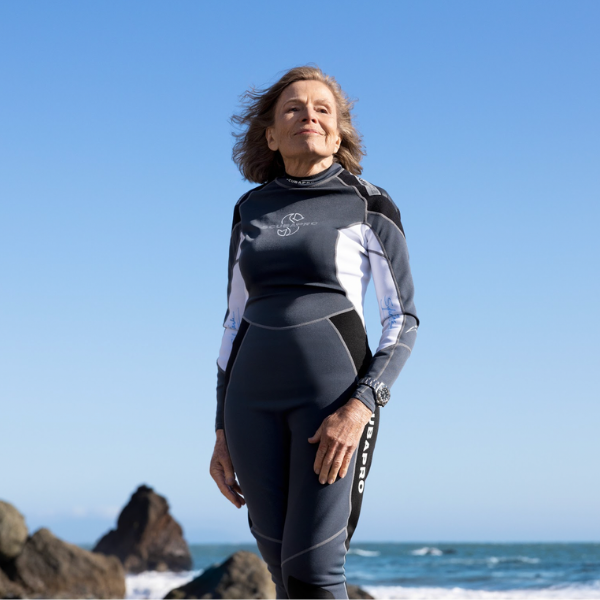
It is near impossible to sum up the feats of Dr. Sylvia Earle in a short introductory paragraph. But for more than half a century, the Mission Blue Founder has been exploring the depths of the ocean floor, charting its ebbs and flows along the way. A Rolex Testimonee since 1982, Earle has dedicated her life to ocean exploration and conservation. Currently, just 8 per cent of the world’s seas are protected, but over 100 countries have committed to protecting at least 30 per cent by 2030—making this work more important now than ever.
Interviewed by Tessa Patrick
You’ve spent decades exploring the ocean, often in conditions that most of us can barely imagine. Looking back, what has been the most surprising discovery about the sea—and about yourself?
About the ocean? How much we still ignore about it. While more has been learned about the ocean in the last century than ever before in human history, we are just beginning to explore the vast unknowns of the sea.
Your work has always intertwined science and advocacy. How do you maintain resilience and focus when facing environmental challenges that feel overwhelming?
The evidence is clear that we can choose to shift from tipping toward planetary decline to turning toward an enduring, harmonious relationship with the living systems that make Earth habitable for humans. With 8 billion people—and counting—we cannot go back to the more complete, resilient world that I knew as a child, but actions taken now can ensure a habitable world for ourselves and for tomorrow's children.
Many people know you as ‘Her Deepness.’ How do you feel that title reflects your relationship with the ocean—and how you want others to connect with it?
I don’t mind what people call me as long as what I say sparks a desire to explore and care for the living systems that underpin our existence.
There’s a growing awareness of ‘ocean wellness’ as a component of overall human health. How do you see the health of the oceans affecting our personal wellbeing—and vice versa?
Without the ocean, life on Earth could not exist. If the ocean is in trouble, we are in trouble. It is—and we are. Other intelligent creatures—elephants, chimpanzees, whales, tunas—may realise the world is changing in unfavourable ways. But they do not know why and cannot do anything to fix the problems. We are the cause of the decline of nature, but lucky us! We can also be the cure.
How has precision, technology, or endurance played a role in your own work beneath the waves?
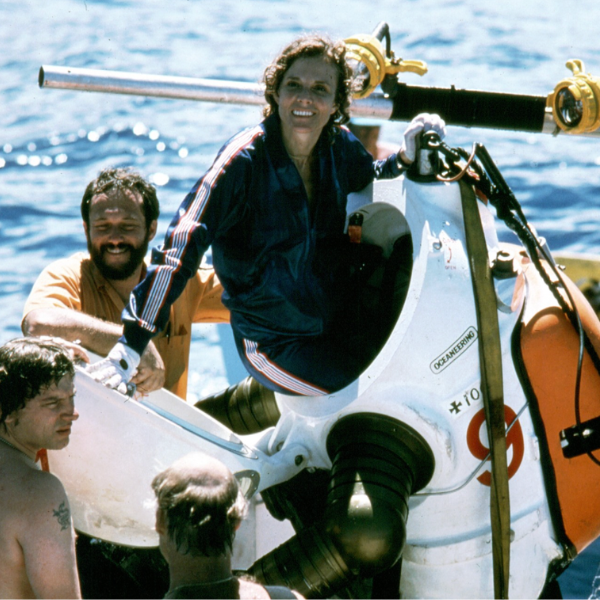
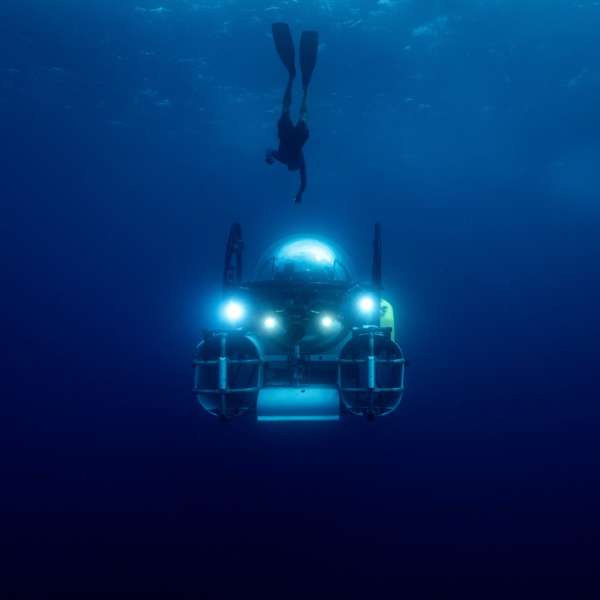
Mastering technologies to convert nature to human purposes has swiftly grown in the past 500 years and especially since the 1950s, when I first began using scuba to explore the ocean. But technology cuts both ways. No other species exceeds the power of humans to destroy other humans or the rest of life on Earth. But we have also developed wonderful ways to measure time and space, see the heavens above, explore the depths below the ocean’s surface, understand the structure of cells, know the elements that make up the universe, and, if we will, choose to use knowledge to secure an enduring place for ourselves on this planet.
Watches are often a symbol of measuring time—both the passing of it and the moments that define us. If you reflect on your time underwater, what moments stand out as defining or transformative?
This is a moment in time when, as never before, we can see and understand what makes Earth habitable, and also see what we have done to alter the living systems that make our existence possible. I have witnessed the loss of about half of earth coral reefs, kelp forests, mangroves and seagrass meadows. Sharks and rays have declined by more than half, along with other commercially captured wildlife, from whales and sharks to tunas, swordfish, herring and Antarctic krill. There is time, as never again, to save what remains of Earth’s fabric of life, land and sea and find a place for ourselves—perpetually.
In what ways has Rolex’s support enabled your work—and influenced the discoveries and impact you’ve been able to achieve?
When Mission Blue was formed, Rolex was an early supporter, helping to grow and celebrate the network of Hope Spots and champions from 50 to more than 160, now in 115 countries and the High Seas beyond. With Rolex’s global communication initiatives, people are more aware of the issues our ocean faces today.
In our wellness issue, we often talk about ‘beauty that nourishes the soul’. What has been the most beautiful or awe-inspiring moment you’ve witnessed in the ocean?
There is growing awareness and concern that we must take care of the ocean as if our lives depend on it—because they do.
What is one simple action that anyone—even those far from the ocean—can take to feel more connected to it or support its health?
Ask yourself, ‘What have I got?’ Find that something that makes you you and use it to inspire care for the ocean. Can you write? Sing? Have a way with numbers? Or animals? Or kids? No one can do everything that needs to be done to shift from complacency to action, but together, saving the ocean can be a team sport. Every change starts with somebody doing something. Do not be afraid to step up and be the first—or join with others to make a difference.
Advertisement