From Kate Moss to Gabbriette, Demna’s first runway for Gucci landed with a decidedly glamorous punch
In Milan this weekend, Gucci did something curious. It made a case for monumentality—marble statuary, museum stillness, a soundtrack stitched from five distinct genres—and then filled that vastness with clothes that were, at their core, about proximity. To the body, very intimately. To reality, what we know of Gucci so far. And to wearability, as I’d argue that this might be one of Demna’s most utterly wearable collections yet. Primavera, as framed here, isn’t a whimsical spring. It’s a study in archetypes. Of whom Gucci speaks to, and who it wants to. There was a sense that the House is widening its lens again—and it was looking to the faces of the future to do it.
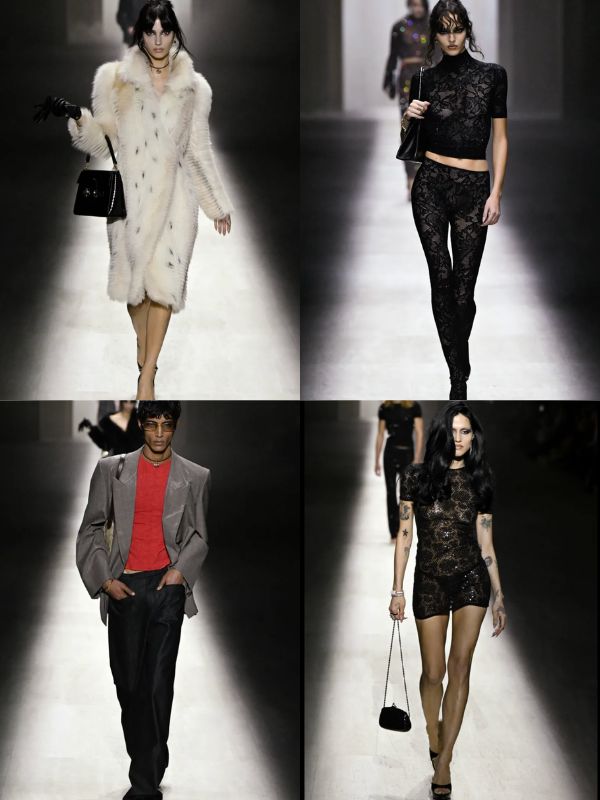
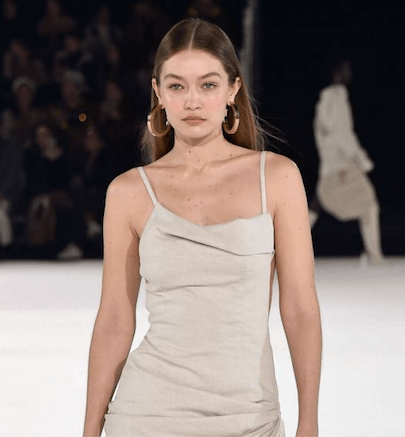
The show opened with a seamless white minidress in hosiery fabric, cut so close it felt poured on. An hors dourve, yes, but also a thesis: the body as sculpture. From there, silhouettes clung and curved— invisible heat-sealed edges, engineered hems, garments shaved to within millimetres of the skin—to the recognisable frames of Kate Moss, Gabbriette, Emily Ratajkowski, Alex Consani.
In anyone else’s hands, it could have been rendered serious, severe. But with Demna, there was play. Here, track suits became dresses, leggings evolved into trousers, jackets and tops collapsed into single, ultra-fitted skins—categories dissolved (while a slight jab at our post-pandemic wardrobe remained). Even the storied Bamboo 1947 felt sleeker, edited rather than overworked.
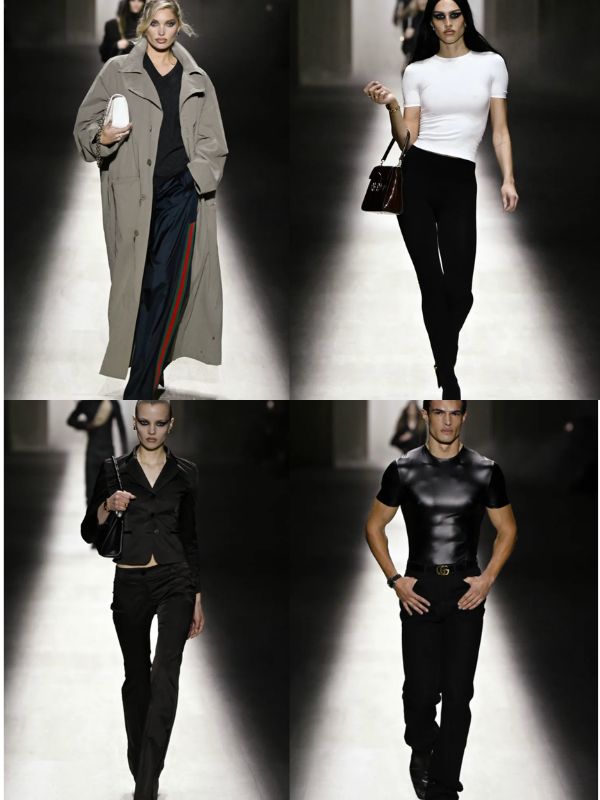
If other houses have reminded us that styling can reshape meaning, Gucci’s message was slightly different: that product can hold it. That pragmatism—that unfashionable word—might be just as vital. No over-explaining, just clothes designed to be inhabited.
Advertisement