Time to decode your features: how to identify your contrast and master your makeup
The biggest beauty phenomenon dominating our screens right now is the deep dive into high-contrast vs. low-contrast makeup. These concepts are the foundation of pro makeup artistry and personal colour analysis—it's basically essential knowledge.
If you're scratching your head like I was, the high vs. low contrast makeup route is genuinely worth all the online buzz. Once I finally understood what it all meant, I could never go back to my normal routine–and lucky for you, I've mastered the art of this particular style.
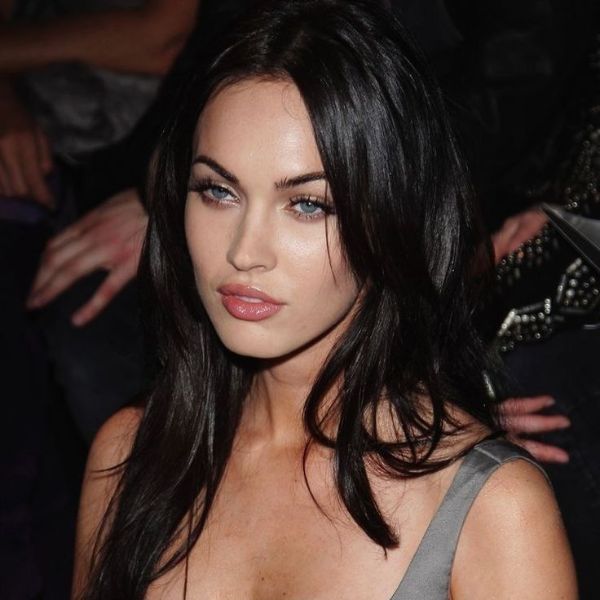
High-contrast makeup is your go-to if you have a very prominent difference between your hair, skin, and eye colour. Think of Megan Fox as your high-contrast muse. With that fair skin and jet-black hair, she nails the bold lips, fierce eyeliner, and strong brows to balance her features—pure high-contrast perfection.
Meanwhile, low-contrast makeup is the move for those whose features are similarly toned—like a light skin/light hair pairing or a deep skin/dark hair combo. We low-contrast individuals should lean into soft, monochromatic, and neutral tones to enhance, not overwhelm. Look to Margot Robbie’s red carpet moments for this effortless aesthetic.
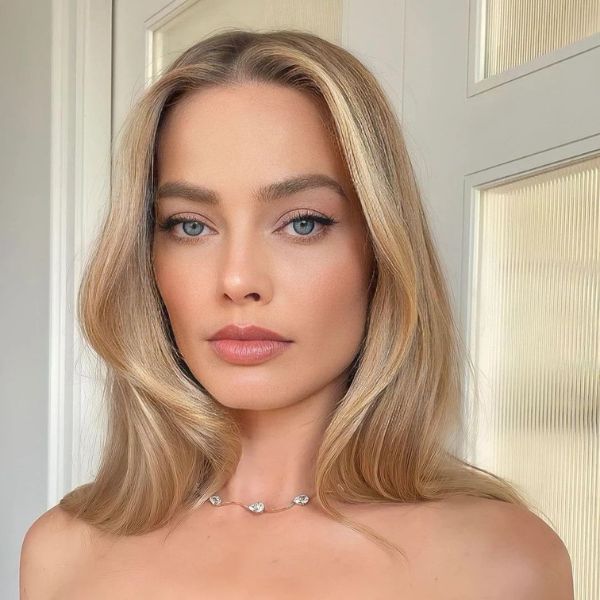
To figure out my personal contrast level, I just went with the classic black and white filter test. It's easy, simply snap a quick selfie and throw a B&W filter on it. If your features pop (deep blacks vs. bright whites), you're high-contrast. If everything blends softly in similar shades of grey, you're low-contrast. Easy.
Here's a tip that the pros know—switching up your hair colour can completely change your contrast level, meaning your makeup regimen might need a whole new routine. I know we all change our hair as frequently and unpredictably as Auckland's weather. And while we’re not tied to a certain look or colour palette, it’s an easy test to make sure your makeup hits every time.
Advertisement