Meet New Zealand’s first Michelin-starred chefs
On the unveiling of New Zealand's first Michelin Guide, every chef in attendance was united by the same odds: none they could calculate. Michelin had spent nearly a year inspecting anonymously and told no one what it found. There was no shortlist to make, quiet word to say you'd made it—just a year of cooking as normal, as though someone might be watching, because someone might have been. On the night the Guide was unveiled, that long silence finally broke. It broke loudest for TALA.
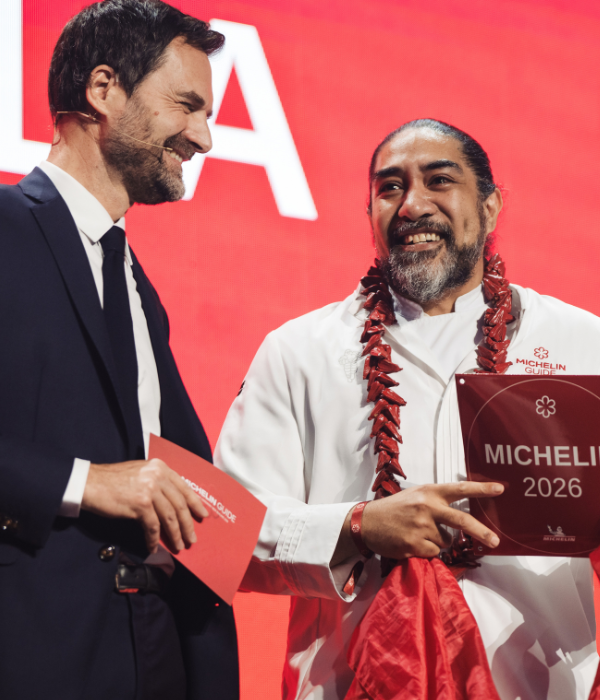
When Henry Onesemo walked to the stage to collect the first Michelin Star in New Zealand's history, he carried a Samoan flag with him. He didn't get there quietly—the room was already on its feet—and by the time he reached the microphone, the tears arrived.
For an industry whose accolades had been built on Hats and merit alone, the arrival was seismic: for the first time, New Zealand's kitchens were read—and judged—in the same language as Tokyo's, Paris's and New York's. For Henry, the recognition carried more than most. It carried a culture too long folded into someone else's.
Samoan food here has long been read as part of a wider, Pacific whole. TALA's Star is the first time, in Aotearoa and the world, that specificity has been recognised on its own terms.
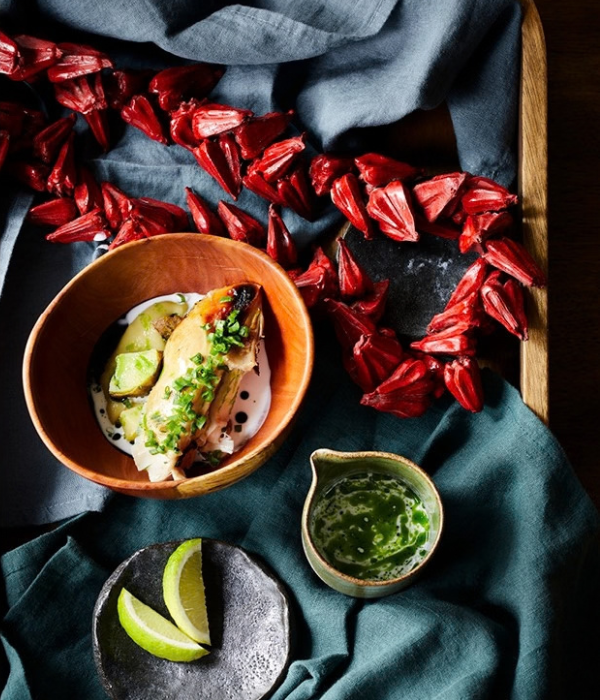
Image via TALA
‘For Samoan food, it means a lot to the culture now,’ Henry says. ‘The idea that we can step away from 'Pacific', or the Pasifika grouping—it validates the idea that food needs to be very specific, and not generically specific.
‘I'm excited for what's going to come now, because if they can take a Samoan restaurant and deem it to receive a star, that means we can have a Tongan restaurant. We could have a Fijian restaurant, a Niuean restaurant, and a Vanuatu restaurant. And now that I think about it, I think New Zealand is probably the only place that could happen.’
The recognition reaches beyond the plate—and beyond Auckland. In a city that is still finding its feet in so many regards, INATI's Simon Levy felt the same shift in a different register.
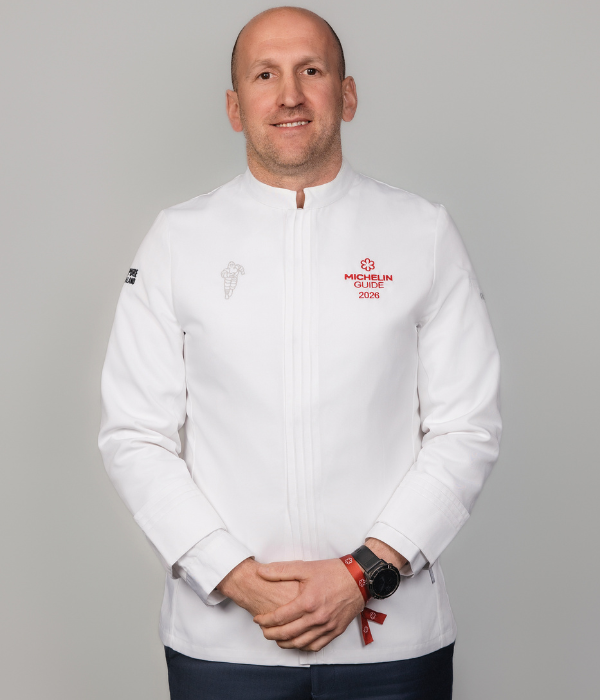
‘I think it gives Christchurch confidence,’ he tells me. ‘Those of us working in hospitality here have always known the talent that exists in this city, but now the rest of the world gets to see it too.’
On stage, no two restaurants looked alike. What the first selection makes plain is range. Established and emerging. Informal and formal. A portrait of New Zealand’s depth and diversity, and the connection to whenua and moana beneath all of it: in the kaimoana, in the produce, in the manaakitanga, the inspectors named as the heart of Kiwi hospitality. It shows in how differently each kitchen reaches for it: INATI's menu is built for sharing, TALA's food centres on traditional umu cooking, and Ortega Fish Shack's produce is fresh and handled honestly.
Here, precision goes into the produce. Tucked into an unassuming Wellington townhouse, it serves local seafood with obvious skill and a refreshing lack of fuss. So when the Star landed, head chef Teresa Pert wasn't about to reach for the tweezers.
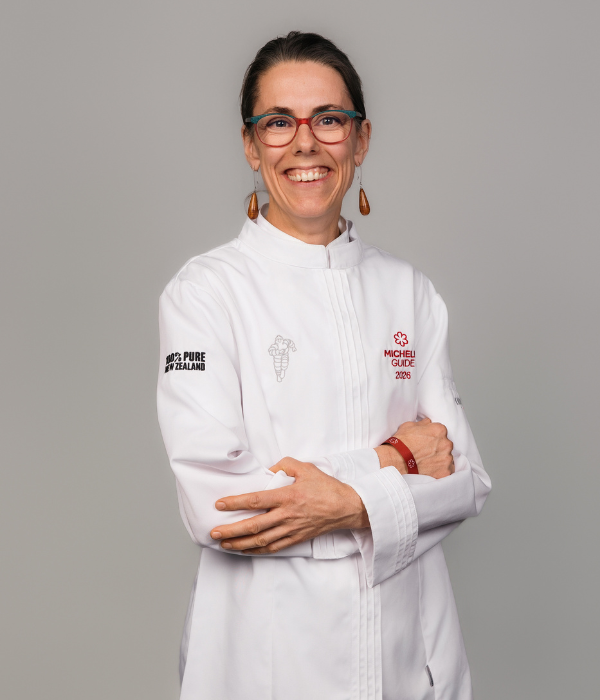
‘Tweezers and flowers—there aren't any of those around here,’ she says. ‘The aim of our game is just carefully crafted, delicious tucker. No frills and fluff. Food with integrity.’
It's a sentiment shared by Henry, but for Simon, INATI breaks the Michelin stereotype from a different angle, by removing the formality itself.
‘We built INATI around how we love to eat and how we wanted our guests to feel,’ he says. ‘Sharing naturally creates conversation, interaction, and a sense of generosity around the table. I think Michelin recognised that authenticity—the experience is genuinely us, and that's what resonates.’
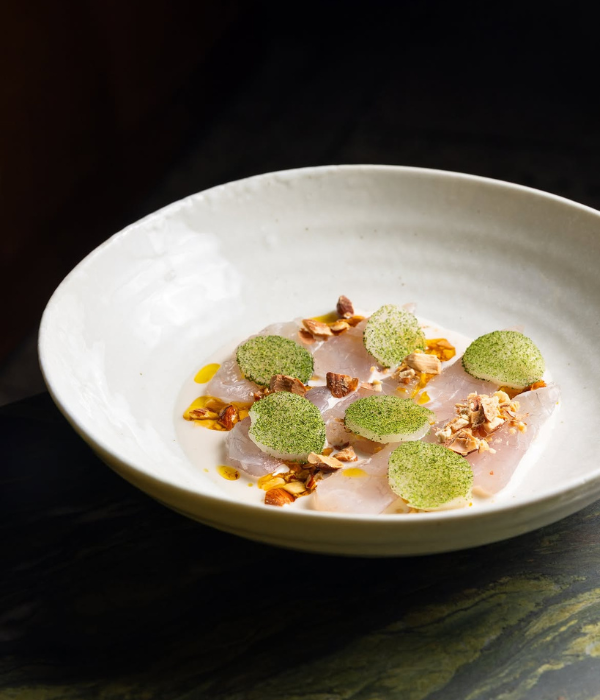
Image via @inatitoshare
Scratch the surface of all three chefs, and you'll find strong family ties coursing through their offerings. For some, it's the food itself; for others, the restaurant is built and run as one. For Ortega, it's the little fish sammy—now a signature served sixty times a day, but once a big fish sammy, a household staple lovingly made from leftovers by Teresa’s mum.
'She knew they were on the menu, but she never got lucky enough to experience them at the Shack,’ Teresa says. ‘They've always been special to me, and I just know she'd be so fucking proud right now. We make every single part of that sammy by hand, and with so much love.'
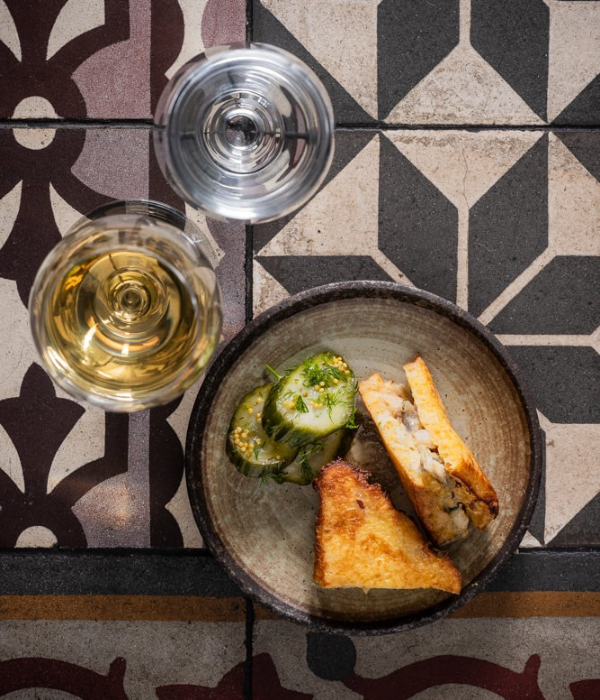
Image via Ortega Fish Shack
For Henry, it's a dish that carries a whole country—umu chicken, cooked over hot rocks in a fire pit, the taste of Malaemalu. ‘When you wake up in Samoa on a Sunday, the whole country is half covered in smoke from everybody's umu,’ he says. ‘That's the smell you're eating.’
And for Simon and Lisa at INATI, family is the restaurant itself. The couple built the place together, and their children grew up around it.
‘Receiving a Michelin Star isn't just recognition of Simon's cooking or the restaurant itself,’ Lisa says. ‘It's recognition of everything we've invested as a family over many years. To experience that moment together is something we'll treasure forever.’
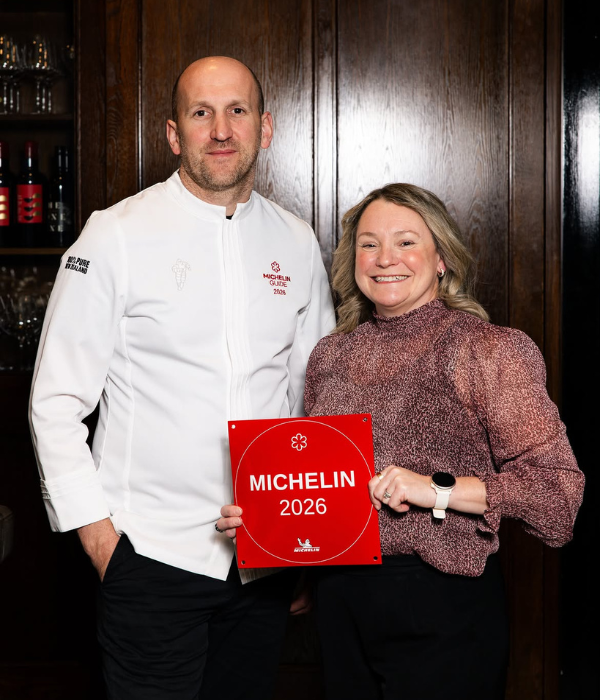
Image via @inatitoshare
Family also serves as a reminder of who Henry’s Star is really for. He called his mother the morning after.
‘Mum was really quick to remind me that the Star does not belong to me,’ he says. ‘It belongs to the restaurant, and it belongs to the culture. Take the pressure off yourself.' The same humility ran through Teresa's reaction at Ortega, famously relatable on the night: ‘I'll be back at work tomorrow.’
So what does a Star actually change? On paper, plenty—more bookings, longer waitlists, a point of difference for the international traveller who plans a trip around the little red book.

Inside the restaurants, less than you'd think. The chef who won a Star is still doing the ordering, the rostering, the books, the marketing—wearing every hat a small business demands. And it comes with no guarantees: Michelin returns each year, and a Star is held, not owned. None of these chefs talk as though they've arrived somewhere final. They talk like people who intend to cook tomorrow exactly the way they cooked to earn it.
Advertisement