Our summer cover star Ciara on making music, starting her own label, and the lessons she wishes she knew two decades ago
Ciara has spent more than two decades shaping the soundtrack of our lives, yet she tells Remix that most days it still feels like she’s just getting started. Performer, entrepreneur, philanthropist, and mother, she moves seamlessly between life in the spotlight and a deep, unwavering commitment to family and purpose. After a crisp autumn morning photoshoot in New York, she opens up about independence, creativity, and the mark she hopes to leave on the world.
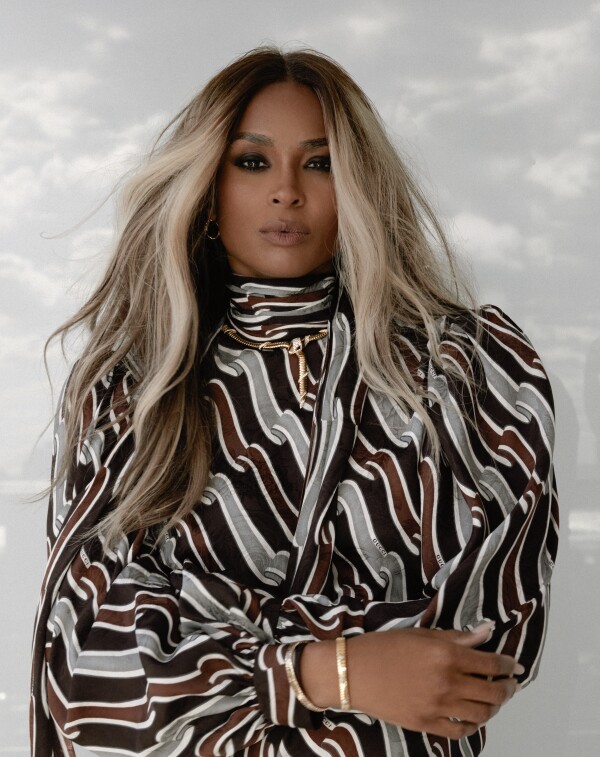
Ciara uses the word magic a lot. Not as a throwaway comment or a buzzword: she believes it. She knows that she has been very blessed with the life that she gets to live, with the fans that propel her and her family in her corner. But the level of success that she has managed to achieve over the last 21 years takes tenacity and a vision that endures. And luckily for us, Ciara has plenty of both.
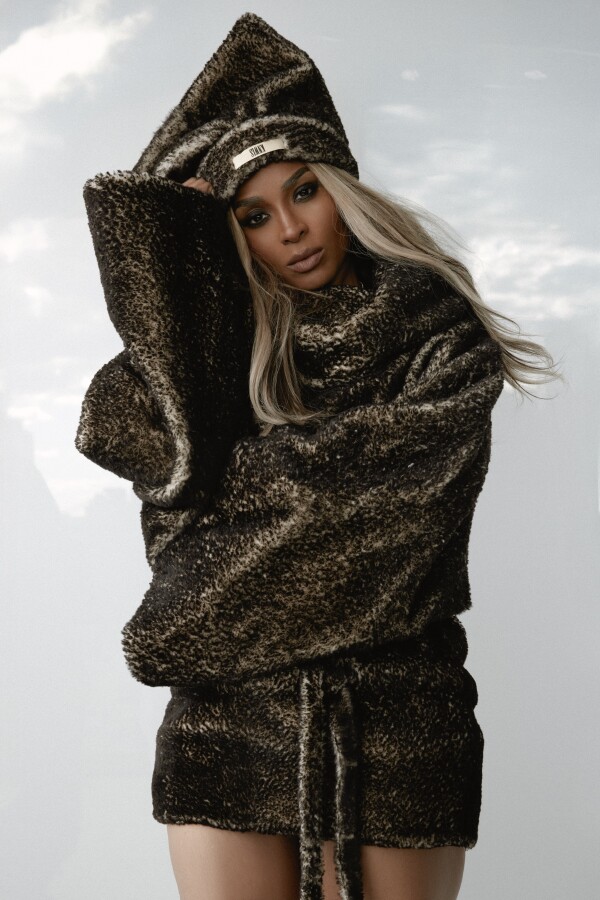
We shot her in New York on a frosty ‘fall’ morning—one where the skies were crisp, but you could feel the chill starting to settle into the air. She calls me a few weeks later to talk. I’m in New Zealand, she’s in New York. ‘Oh, I’ve just realised it’s early there!’ (Editor’s note: we’re used to the time zone difference.) We’re talking about CiCi, her latest studio album, released earlier this year. It’s an album that was six months in the making—a real evolution and response to who and where she is right now, and the stops she’s taken along the way. Importantly, it’s the first album she has released under her own label, Beauty Marks Entertainment, and that, she tells me, has changed the game entirely.
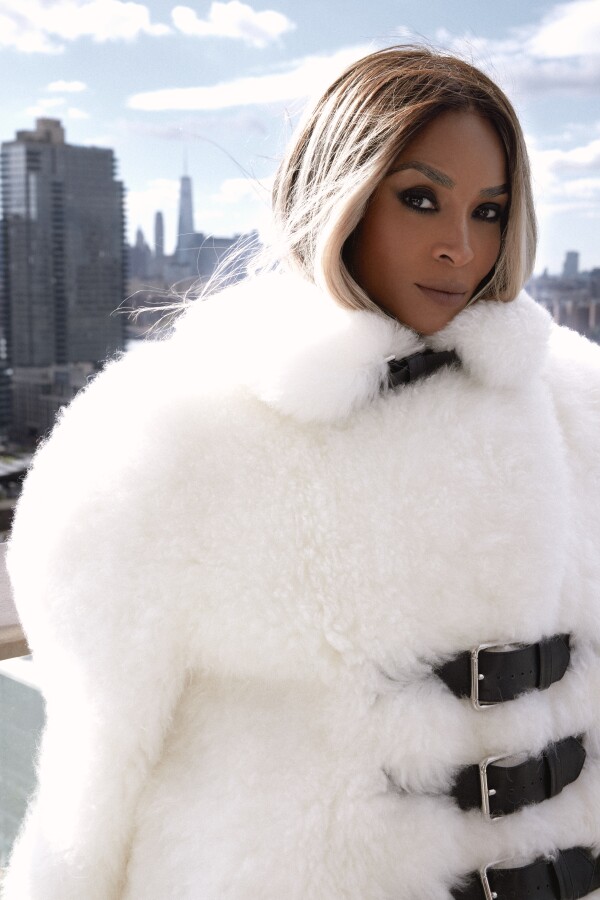
‘Going independent and creating my own label was about having the creative freedom to set the pace, to make my own decisions about when and how I release music,’ she shares. ‘That sense of control changed everything for me.’ She tells me about the exhaustion she felt at more traditional labels—the stop-start process of album-making. Now, she says, her one rule is about consistency: making sure her fans never go too long without new music. After all, it always comes back to the fans— those who’ve been there since day one, and those who’ve found her somewhere along the way. I ask her about the collaborations on the album. There are—after all—quite a lot of them: Tyga, Latto, Busta Rhymes are just the start of the list of talent that went into creating this record. How does an artist decide on the right people to work with and share their vision? ‘I think there’s real magic in being intentional,’ she explains. ‘Every artist featured on the album was handpicked by me because of the story I wanted to tell—and I could make those choices freely with my own label.’ The album, CiCi (her nickname for friends and fans alike), feels, then, like maybe the most accurate representation of Ciara that we’ve heard yet.
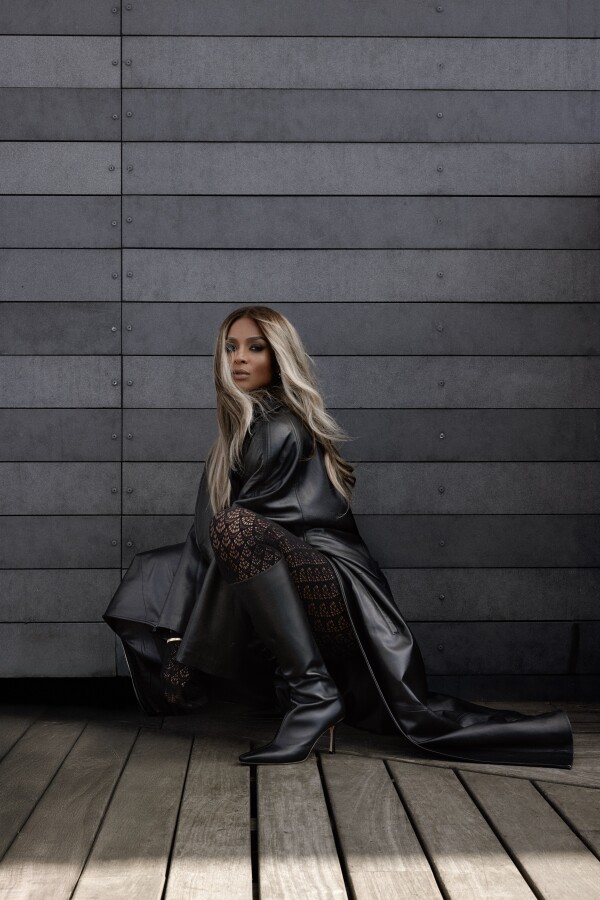
There are raw and sensual moments, fun party tracks for nights out with girlfriends, and viral moments like ‘Ecstasy’s Gravity Challenge—which saw fans, young and old, mirroring a dance move that Ciara performed, seemingly floating on top of a chair. Like most people these days, I’m curious about how this notion of virality changes the way an artist makes music. After all, music has almost always had to appeal to a market, but this era of social media demands a lot more of it.
‘Virality is a double-edged sword,’ Ciara explains. ‘It’s always cool when your songs get a viral reaction, but there’s real pressure to create the next big thing.’ As expected, that pressure has eased a bit now that she’s her own boss. She tells me that she looks at the business of music from a different lens now—that virality is just one part of the picture, no matter how big a factor it becomes. ‘Sometimes the industry lets viral traction decide whether a song is great or not, and that can be tough as an artist because not every great track goes viral,’ she says. Ciara thinks that putting music out in this age is unique: ‘You hope for meaningful traction, but you also want your songs to stand on their own.’

I say it must be a whole next layer, thinking about the business of music, the production of it—although, is she producing right now? I have to double-check. ‘No, you’re right,’ she corrects me. ‘It means so much to me, being able to executive produce my own album—actually claiming the role and the power in the creative process that I was already contributing to for years.’ The industry is, right now, under a lot of scrutiny for its power dynamics, and how young artists—especially women, and especially women of colour—are treated. I ask Ciara how she navigates these spaces now compared to when she first started. ‘When I was young, it was probably a gift to be a little naïve—I didn’t realise what I was up against in the room,’ she shares. ‘I focused on my vision, not my limitations.’ She tells me that being a young woman of colour, she didn’t walk into a room thinking about the obvious obstacles, but instead with a passion for what she wanted to accomplish, and a belief that she could. ‘Even when someone told me “no”, I was more determined to show them why I could. That mentality pushed me forward.’ That’s the tenacity I spoke of earlier.
It appears, to me at least, that people feed into so many different facets of Ciara’s life. Firstly, and perhaps obviously, her fans. She’s the first to acknowledge that she wouldn’t be on this path in life without those people in her corner. And in her corner is her family too: her children, her husband, New York Giants quarterback Russell Wilson—with whom she found another way to connect with people, through an initiative they established, the Why Not You Foundation. At its core, it is a non-profit organisation co-founded by the couple to empower youth through education, children’s health, and fighting poverty. It aims to instil a ‘Why Not You?’ attitude in young people, giving them the confidence to make a difference in their own lives and communities. She tells me that their focus right now is raising money for research and other initiatives that can truly make a difference in people's lives. Human connection. She tells me of a moment where she and Russell were able to convince a young boy to try immunotherapy for his cancer. It was successful, and now he’s able to encourage other children like him to be brave and give it a go. It’s this impact that keeps her going, she says. ‘We want to give kids a place to dream, just like we did—because everyone deserves that opportunity,’ she tells me. ‘Giving back to people, impacting lives, and inspiring hope—I hope that is my greatest legacy. That’s my purpose.’ She tells me that the world opens up in a special way when you find your purpose. I’m a believer in that. For Ciara, it’s about making a difference, in case you hadn’t noticed. ‘Performing and making music are huge parts of my identity,’ she says, ‘but the human component matters just as much. I want to use my platform for the greater good.’ It’s at this point in the conversation that she tells me she still feels like she’s just getting started. She’s been blessed with her journey (thus far), but as she so thoughtfully says, ‘there’s so much more to learn, give, and achieve.’ She says that her legacy is really in her hands now.
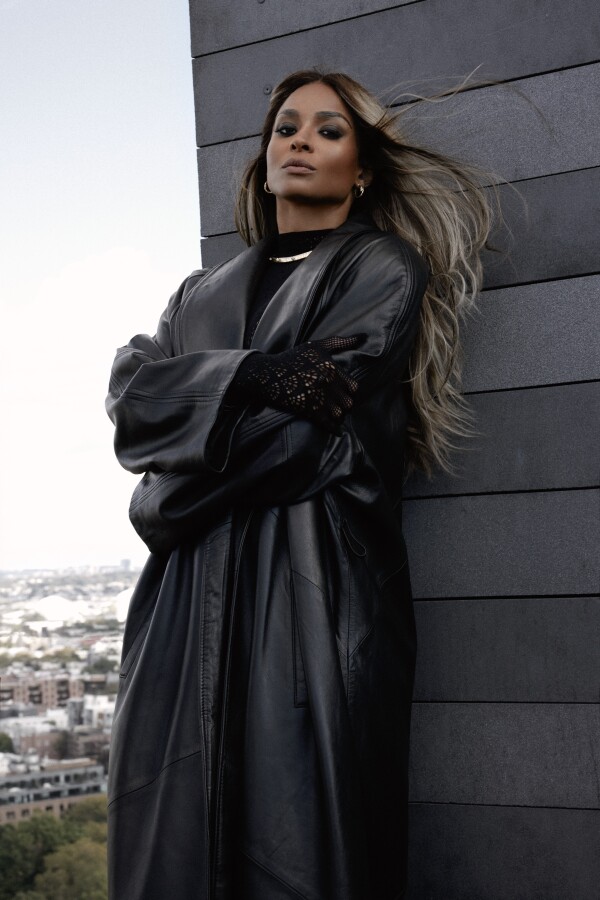
One of the things I immediately notice about Ciara—even through the phone—is her kindness and her excitement. She’s excited to meet me. She’s excited to be on the cover of Remix, to shoot a cover in New York, and to be able to have fun with it—to capture the world of the city and the people that she loves so much. ‘Being in New York is truly special,’ she tells me. ‘When I wake up every day, it feels like I’m walking in a movie scene—the city is an incredible backdrop filled with diversity and culture.’
But New York City isn’t Ciara’s only home, and neither is her native Atlanta. Earlier this year, as part of a remarkable initiative, she was honoured with official Benin citizenship, becoming the first person to receive this as part of a new legal programme that recognises people of the African diaspora. It’s a pretty cool initiative, one that aims to rebuild cultural and economic bridges between Africa and its global descendants, acknowledging the shared history fractured by the transatlantic slave trade.
‘It’s emotional for me to know I have genuine Benin heritage—85% African—and to physically connect with that.’ Visiting Africa, she tells me, has been somewhat like a homecoming. She feels such a genuine connection to the land, to the people—one that she calls ‘indescribable’. But I think if you know it, you really just do. It’s the kind of feeling that takes over you; a déjà vu, as if you’d already been into the room you were walking into for the first time.
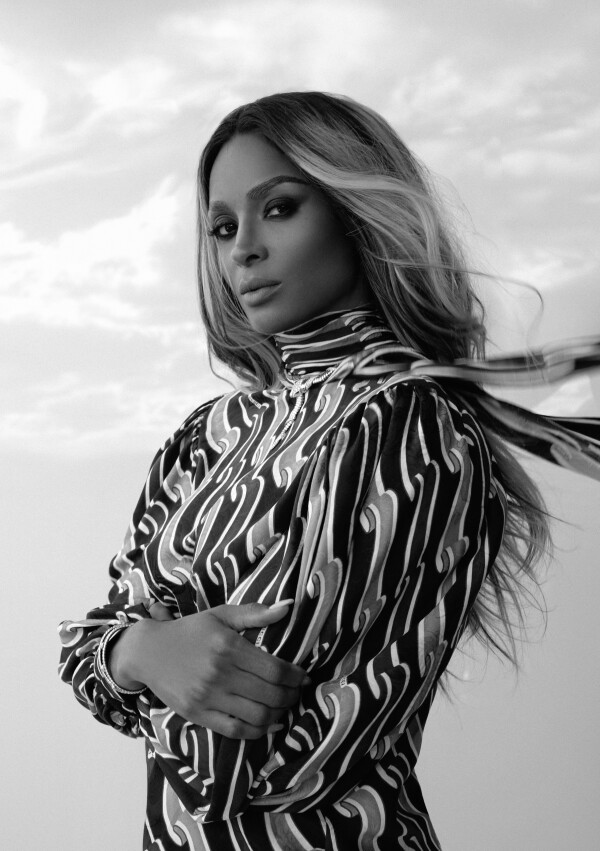
She loves returning there to visit. She was recently the first international artist to appear on the cover of Rolling Stone Africa, and it’s a place that she finds hugely important to take her children as they grow into globetrotting individuals themselves. I ask her if there’s anywhere else she’s planning on travelling soon—New Zealand and Australia, namely—and she tells me that while some details are still being finalised (at the time of going to print), I should keep an eye out for announcements in our little corner of the world.
As if her life wasn’t full enough, what with music, family, fashion, charity, and almost-diplomatic endeavours, there are still many more strings to her bow. Her rum, for one, which she believes is the very best spirit in the world, is something she finds great joy in creating. Ten To One Rum is a highly awarded (and very delicious, if you’ve tried it) rum. ‘As one of very few women in this category, I’m proud to be breaking ground and telling a new story through this brand — I believe in reimagining what rum can be for everyone.’ And then there’s skincare: a category the multi-hyphenated star is thriving in with her own brand, OAM, which is ‘all about making clinical skincare simple and accessible’. She tells me that each business is not random—it comes from genuine passion, a love for every possibility.
After all, if you can have it all, why not do it all? I know that I would.
Interviewed by TESSA PATRICK
Photography TYLER PATRICK KENNY
Styling AYUMI PERRY
Creative Director STEVEN FERNANDEZ
Executive Producer TIM PHIN
Hair DIMITRIS GIANNETOS
Makeup YOLONDA FREDERICK
Manicure MISAKO
Photography Assist MADI SILEO
Styling Assist RODERICK REYES
Production Assist BETH PETTENGELL
Location THE WILLIAM VALE & WESTLIGHT NYC
Advertisement