Reflecting on the craftsmanship of runways past, Prada is proving that they’re still masters of their art
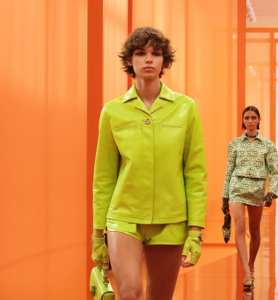
On careful thinking, I’d argue that Prada’s famed Spring/Summer 2026 skirts weren’t skirts—not really, not like we know them best. Instead, as understood through their construction, there were several skirts stacked into one, panels overlapping, fabrics in conversation, pleats and ruffles that didn’t line up, but we still understood what they were saying. As garments should, they moved; the shape changed. Nothing was static—and I think that says many things about what is beautiful in fashion right now.
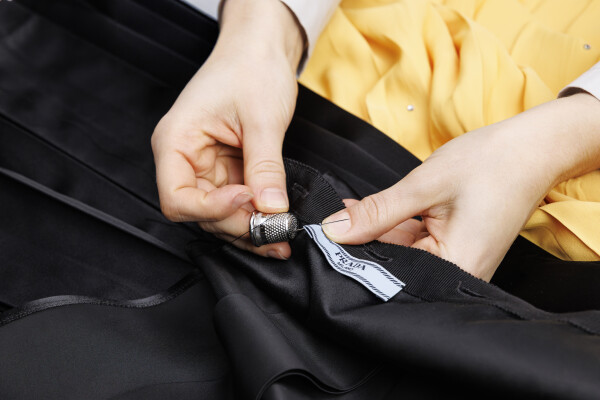
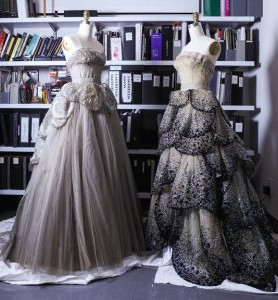
It was obvious early on, too. Look 8 had those flat pleats up front, neat, almost graphic, then crepe sides with embroidery and crystals, each one set by hand, each one catching light differently. The back was taffeta, three tiers of ruffles, each gathered, each embroidered separately. Twenty-seven hours went into it, I’m told, and you could feel it, not in a precious way but in the tension, the slight misalignments, the way the waistband held everything without squashing it.
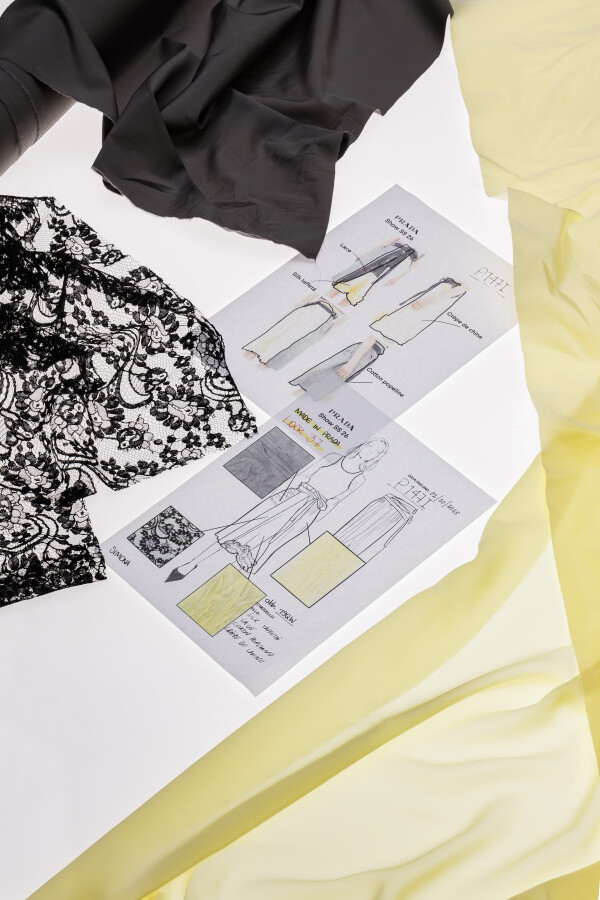
And then Look 37 did something similar but lighter, sly. Lace and taffeta at the front, poplin at the hip, crinkled on purpose, crepe at the back, tucked and gathered. Hand-applied ruffles that made movement part of the thing itself, another nineteen hours gone into making it feel like it had been there all along.
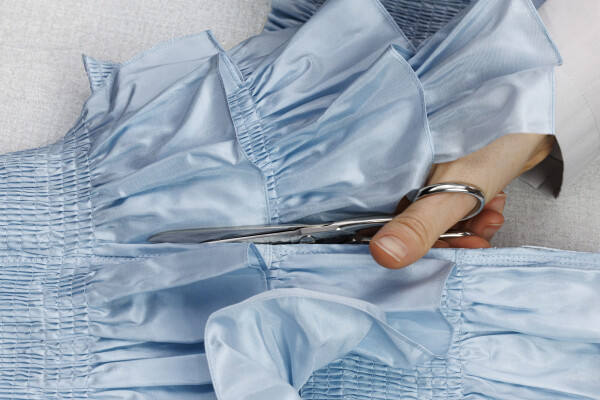
The thing was, it wasn’t about neatness. It was never meant to be, and that perhaps, is why there was such a time cost attached to each garment. Black anchored, pastels softened, primaries punched. Everything leaned into imbalance, tension, friction. The brand’s more truthful lived in how panels recomposed themselves when you walked, in the collision between softness and structure, control and improvisation. Like almost anything Prada, one wouldn’t have worn it to blend in. You wore it to exist in the gaps, in the edges, in the spaces between one piece of fabric and the next.
I really do think that these skirts were saying something about now. Fashion isn’t tidy. It isn’t one idea. It’s layered, unresolved, deliberate and precise and still somehow alive. Craft so clever and obsessive that it looks easy. Not decoration. Architecture in cloth. Movement finishing the design. You notice it, or you don’t, but it changes anyway.
It’s nice, deliberate, truthful to the brand’s DNA. Because hasn’t that always been where Prada’s elegance was? Never in anything tame or predictable. Instead, we find it in friction. In instability. In a skirt that made us aware of how the body moved through it, how it moved around the body, how everything was constantly in conversation.
Advertisement