Meet the winners of the 2026 Lexus Design Award
A motorcycle that changes shape to suit its rider. Buoys that can alert lifeguards to possible rip currents. A cargo ship designed to help clear plastic from our seas. The future of design is looking at familiar challenges in entirely new ways—and a new generation of New Zealand creatives is leading the charge.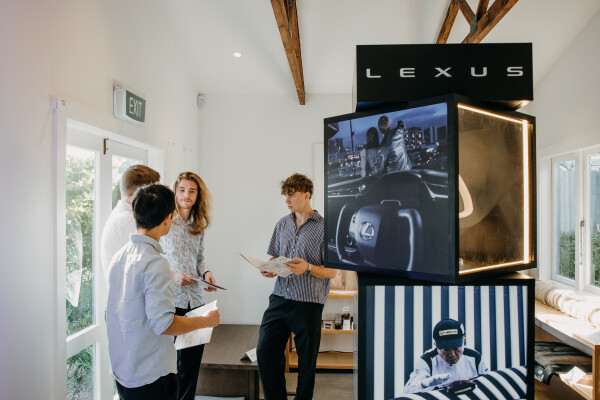
These are just some of the concepts recognised in this year's Lexus Design Award, which last night named four winning projects from a record 96 entries across AUT, the University of Auckland, Massey University and Victoria University of Wellington. Now in its seventh year locally, the programme challenges emerging designers to identify problems in the world around them and consider how creative thinking might offer a better way forward.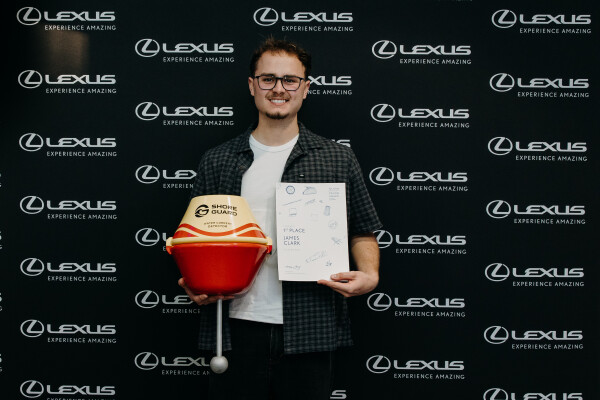
This year's theme, Discover Your Space, encouraged students to look at their surroundings with fresh eyes, exploring how design could improve the ways we live, move and connect. In Auckland, James Clark from Auckland University of Technology took top honours for ShoreGuard, a system of two tilt-sensing buoys designed to identify potential rip currents within flagged swimming areas. Meanwhile, University of Auckland students Madison Reynolds, Sam Scott and Lilian Anderson were recognised for Gills, a hull-mounted device designed to collect floating plastic as cargo ships travel across the ocean.
In Wellington, Massey University's Jarvis Hutchinson was awarded the top prize for Cue, a smart pill dispenser that helps older people take the right medication at the right time, supporting greater independence at home. Te Herenga Waka – Victoria University of Wellington's Samantha Harris won for PROTEUS, an electric motorcycle that transforms between sport, standard and cruiser riding positions, offering three riding experiences in a single vehicle.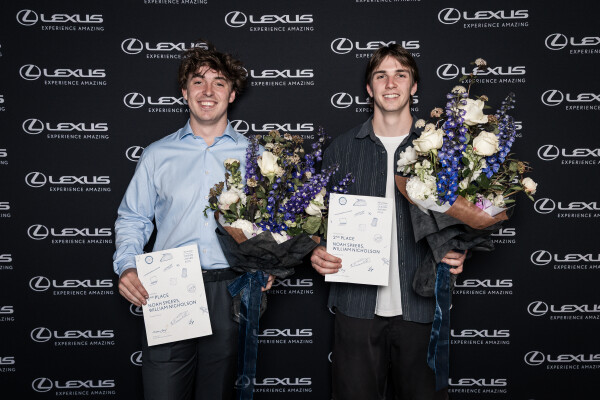
The runner-up projects offer further insight into the breadth of emerging talent. They include HEARD, AUT student Connor Bowes' mountain bike helmet, which lights up amber or red following a serious impact to alert others that a rider may need assistance; The Blind Skier Assistance System, a wearable concept by Samantha Harris, Kate Smith and George Harriss that uses vibrations to guide blind and visually impaired skiers around obstacles; and Therma, Massey students Noah Speers and William Nicholson's early-warning system for underground wildfires, using reusable heat probes placed beneath the ground. Rounding out the selection is Echo Hollow, University of Auckland student Tony Xu's tree-like installation designed for transport hubs and cafés, inviting people to leave handwritten notes for strangers to encourage connection in shared spaces.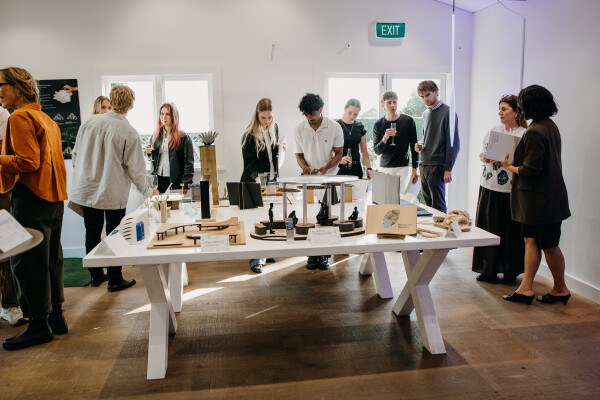
While the concepts tackle very different challenges, they share an underlying belief that good design should do more than look appealing. It's an approach that resonates with Lexus, where every detail is considered with the end user in mind.
“Whether it’s the materials we use, the way a cabin feels or how a driver interacts with the vehicle, every detail has been considered for a reason,” explains Andrew Davis, Vice President of Lexus New Zealand.
“We don’t believe in design for the sake of design. It needs to have a purpose and make the experience better for the person using it.”
Beyond the opportunity to compete, students were also offered two mentoring sessions with established names from New Zealand's creative industries. This year's mentors included fashion designer Emma Wallace of Kowtow, Simon James of Resident, Patrick Kennedy of Acme Cups, Lexus ambassador Scott Bridgens and, new to the programme, New York-based designer Lance McGregor. New Zealand Design Week founder Jen Jones also joined as a mentor and judge.
The four winners receive $3,000, with their designs also set to feature at New Zealand Design Week 2027, held at Auckland's Shed 10 from 1–9 March. The showcase forms part of Lexus New Zealand's partnership with the festival.
Advertisement