
Lance McGregor on Designing The Future with Lexus
As a new judge and mentor for the Lexus Design Award, Lance McGregor knows what it takes to turn a strong idea into meaningful design. Built around this year’s Crafted for the Future: Discover Your Space brief, the programme encourages the next generation of designers to think beyond aesthetics, creating ideas that are thoughtful, human-centred and built for the future. Ahead of this year’s programme, we put McGregor through a rapid-fire round of questions on creativity, mentorship and the future of design.
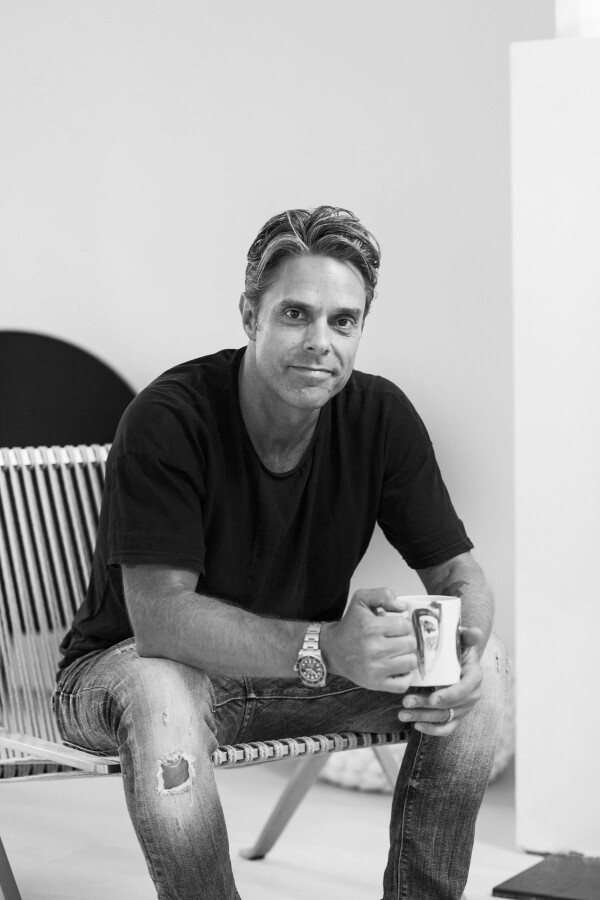
This year’s Lexus Design Award brief is about discovering your space. What does that phrase mean to you beyond the competition? Discovering your space isn’t about finding where you fit; it’s about finding the perspective only you can bring. The world doesn’t need another designer—it needs your way of seeing it.
You’ve designed in New Zealand, London and New York. What has New Zealand taught you that nowhere else could? New Zealand taught me clarity. There’s less noise here, so ideas have to stand on their own. It reminds you that good design doesn’t need to shout to be heard.
When you’re looking at a young designer’s work, what’s the thing that immediately catches your attention? I don’t look for polish first, I look for conviction. Great work usually comes from someone who believed in an idea enough to keep simplifying it.
In your eyes, what makes Lexus the perfect marque for a platform like this? Lexus has always celebrated thoughtful innovation. They understand that the smallest detail can completely change how something feels. That’s a mindset young designers should experience early.
You can teach skills. Can you teach taste? Does taste even matter? Taste evolves. Curiosity is more important. If you’re endlessly curious, your taste keeps growing with you.
What do students tend to overthink when they’re starting out? Being original. Ironically, originality usually appears when you stop trying so hard to be different and start being honest. I’d rather see an honest idea than a complicated one.
Good design often feels obvious in hindsight. How do you know when you’ve actually found the right answer—and not just a clever one? A clever idea gets your attention. The right idea quietly refuses to let you improve it.
Is there an idea you’ve changed your mind on as a designer over the last decade? I used to think originality meant creating something nobody had seen before. Now I think it’s seeing something everyone has missed.
We’re asking students to think about the future. Is the hardest part imagining what’s next— or understanding what people actually need today? The future is usually built by people who understand today exceptionally well. Solve today’s problems honestly, and you’re often designing for tomorrow.
Mentorship can change the course of a career. Looking back, was there one conversation that shifted the way you saw your own work? Someone once told me to ‘stop designing for designers.’ I’ve never forgotten it. The best design disappears into someone’s life.
If someone entered the Lexus Design Award with a brilliant idea but imperfect execution, what would matter more to you? Ideas. Craft can be learned: original thinking is much rarer.
What’s something students should ignore when they’re thinking about what makes a successful designer? Ignore the idea that success happens quickly. Most great designers are built through years of persistence that nobody sees and they ignore the pressure to have all the answers.
What question do you wish more young designers were asking themselves? Not ‘will people like this?’ but ‘will this make someone’s life meaningfully better?’
Has there ever been a project where the constraints ended up being the best part? Almost every memorable project. Constraints don’t kill creativity—they give it somewhere to push.
What kind of design do you think we’ll need more of in ten years—not because it’s fashionable, but because life will demand it? Design we’ll want to keep, heirloom design. Objects with longevity, emotional value and a reason to exist beyond the next product cycle.
If someone walked away from this programme without winning, what would you hope they still leave with? A stronger point of view. Confidence in their own voice. Awards come and go, but if you leave with an understanding of what makes your perspective unique, you’ve already won.
Advertisement