Heading to Aotearoa for New Zealand Design Week, British talent Tom Dixon shares his thoughts on the landscape right now
Coming to town next month for a rare appearance at New Zealand Design Week, true multi-hyphenate (as you soon may discover) Tom Dixon sheds his inimitable insight on illegal raves, breeding out fashionability in design, and whether or not AI is going to kill us all.
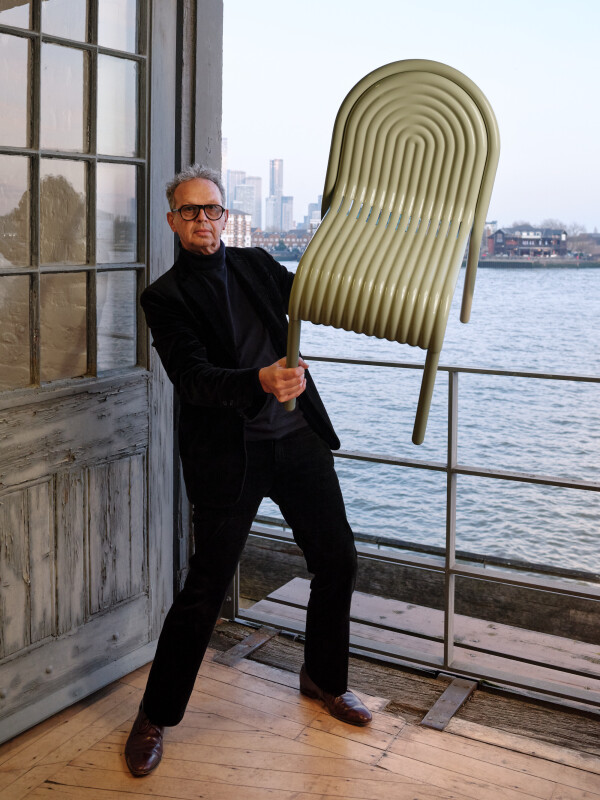
You’ve said you never set out to be a designer—you just liked making and fixing things. How did that self-taught, hands-on start shape the way you still approach design today?.
Well, it wasn't only this that I liked! I loved sculpture, I loved drawing, and I had experiences in as a printer, a technician at Chelsea School of Art, and a job colouring in cartoon films. I had been a professional bass player in a punky disco band, and had gone into the nightclub business and then into illegal raves. So I was entrepreneurial and already had a little bit of experience in monetising my own creativity and a curiosity around craft—all of which is still true today. I had lost a bit of the idea of the handmade and had gotten a bit too comfortable telling other people what to do, but then COVID hit, and I was fortunate to suddenly be back to making things myself with my own hands—I had too much fun, and suddenly remembered why I did all this in the first place.
From welding salvaged metal in the ’80s to running a global studio now, was there a moment you realised this had become more than just experimentation?
Pretty early on… when people actually bought the random output from my welded musings. I would never have become a designer without the power and endorsement of my early clientele.
Your work moves easily between furniture, lighting, and whole interiors. What usually sparks a new direction—is it material, function, or pure curiosity?
I think I was always restless and easily bored, so design suited me as it's a pretty good way of poking your nose into almost anybody’s business. You can apply an attitude and a few skills to pretty much anything—from computer software through fashion, to gardens—and still be a designer.
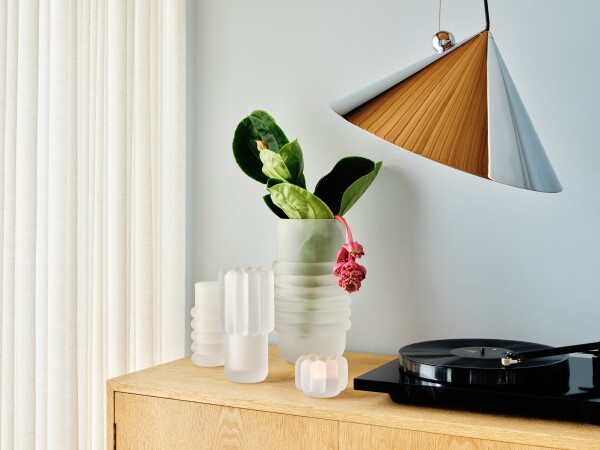
When you’re designing, how do you balance innovation with something people actually want to live with?
Well, honestly, I’ve never really thought of it that way—I just make things that I like and assume that I will be able to attract an audience to it.
Overconsumption is a huge problem for our planet. How do you escape trends to design objects people will want to keep for years, not seasons?
We are fortunate to be in a sector that, by its nature, is slow consumption. There are many things that can be done to encourage longevity: materiality, quality of construction, serviceability... but it’s important to also breed out fashionability. and think of how things could even improve with age.
What places, cultures or experiences have shifted your perspective on design the most?
Milan, of course. Working within a culture that believes so much in the power of design was quite a revelation. Then Japan, France, China, for industry all in equal measure, and then of course India—the dream—such an amazing nation for craft and history. Then the UK obviously has had rather an outsized influence.
Looking at design coming out of Aotearoa, what stands out to you? What do you think separates New Zealand-driven design from bigger global hubs?
It's been a while since I’ve been there, but there is a real love of modernism and a curiosity and intelligence about the whole of the rest of the world that is often lacking elsewhere
And what do you think the wider design world could learn from the way New Zealand approaches craft, landscape or sustainability?
I’m going to have to answer that question on the way out of NZ next month.
What feels exciting to you in design right now? Is it material, technology, or maybe a change in how we live?
The whole AI thingy is terrifying but will unlock all kinds of new tools and insights and possibilities undreamt of—unless it destroys us first!
After everything you’ve built, what still feels unfinished or unexplored for you?
Almost everything. I have only just scratched the surface and feel still like a complete beginner—I would love to do electronics and town planning, landscape design and vehicles, fashion, food, and so much more.
Advertisement