Imani-J on her new EP, Haitian roots & Electric Avenue
Nelson-raised, Haitian-born artist Imani-J is carving out her own space in New Zealand music, blending R&B and Afrofusion into a sound entirely her own. Inspired by her cultural upbringing and a desire to push beyond genre boundaries, she is preparing to take the stage at Electric Avenue this summer with her upcoming EP, Platinum Status. Following her collaboration with Bam Marley, grandson of reggae legend Bob Marley, Imani-J is setting her sights on an international future. We spoke to Imani-J about finding her sound, representing her Haitian heritage, and why she believes this is only the beginning.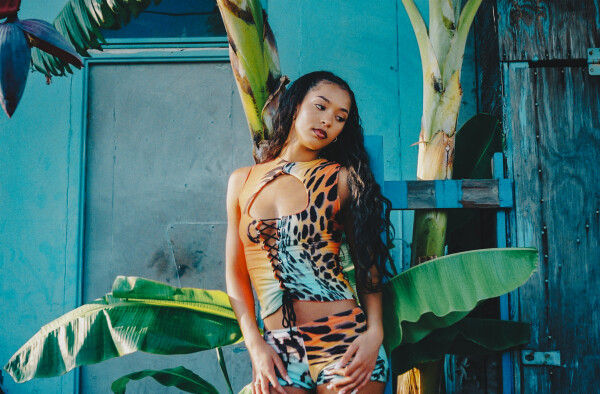
For anyone discovering you for the first time, who is Imani-J? How would you describe yourself and your sound?
Imani-J has always known what she wanted. Ever since I was a kid, I knew that I wanted to be exactly where I am right now. My music is where RnB and Afrofusion collide; picture if SZA and Amaarae had a baby!
How have your roots and upbringing shaped the artist you are today?
Even though my roots and upbringing are very different—being Haitian but growing up in a small city like Nelson—both have played a huge part in who I am today. Raised there, I wasn't exposed to much diversity, so the music I made when I first started writing reflected what was around me: a lot of indie, pop/rock, and ballads. It wasn't until I tapped into my Black and Haitian culture that I really found my sound—and once I did, that's when things started to take off for me.
Outside of music, what might people be surprised to learn about you? How do you like to spend your time when you’re not in the studio or on stage?
Outside of music, when I'm not in the studio or on stage, I love a good beach day. That's one of the reasons LA means so much to me—the heat, all the opportunities, and the fact I can hit the beach whenever I want. I also love baking; anytime I'm super stressed, I start baking, which my family happily benefits from. I also treasure good, deep chats—that's where a lot of my inspiration comes from.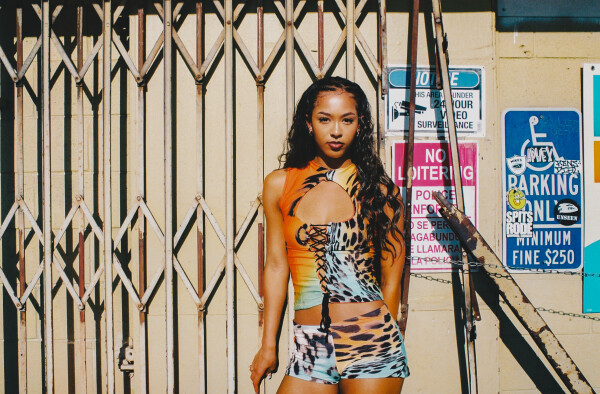
How does it feel to represent R&B and Afrofusion at Electric Avenue this summer? Which songs are you most excited to perform, and why?
It's amazing to be bringing R&B and Afrofusion to Electric Avenue this year! I'm so excited to perform tracks off my new project, Platinum Status—especially the lead single FLY, because it was honestly made for the stage. And then, of course, I'll be bringing back all the fan favourites and a few of my go-to covers. I'll have a DJ and dancers with me for the whole set, so the crowd will have no choice but to dance.
In March, you released “Talk is Cheap” with Bam Marley, Bob Marley’s eldest grandson. What was it like to work alongside someone carrying such a storied reggae legacy?
Bob Marley has always inspired me—honestly, everyone in the scene has, in some way—so getting to write with his grandson was a total pinch-me moment. Bam is also incredibly talented, which made the whole writing process so easy.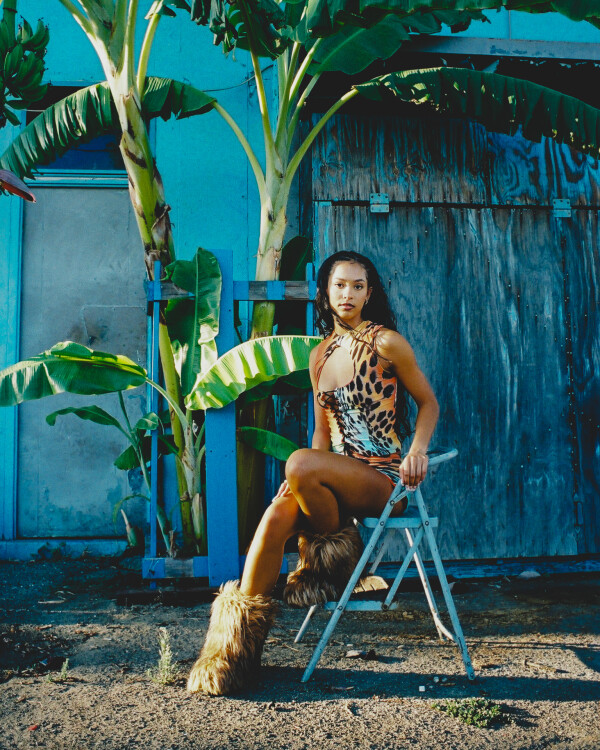
Congratulations on your upcoming EP, Platinum Status! What’s the story behind the title, and what does the project say about where you are creatively and personally right now?
My new project, Platinum Status, is my way of leaving my mark on the NZ music industry. It's my way of showing what I'm capable of—that I'm here to stay, and this is just the start. Creatively, I've been wanting to take my music to the next level, and the title perfectly represents where I'm headed. On a personal note, while writing this EP, I embraced the feeling of independence and reminded myself of my worth and value.
When you picture the next few years, what does success look like to you? Are there particular stages you’d love to play, or places you’d love to take your music?
To me, success looks like sharing my music with as many people as possible. It's also about keeping artistry at the core of everything I do and not putting myself in boxes. I'd love to explore where I can take my sound with no parameters, and have fun experimenting with Afrobeats and expanding the whole genre. For me, that means tapping into Caribbean styles like Kompa, Dancehall, and Bouyon, as well as writing an incredible R&B song with crazy melodies and creative, honest lyrics. My dream is to take my music worldwide—I want to play Afro Nation and Coachella, and my ultimate goal would be to sell out a stadium tour.
From your perspective, what’s the local Afrobeats scene like right now? What do you feel is missing, and what would you love to see change for emerging artists?
To be completely honest, there isn't much Afrobeats in NZ, so I'd say the local scene still has a lot of room to grow. For me, it's super exciting to be one of the few people currently shining a light on it, and I'm so proud to represent and share my culture. I'd love to see more spaces where the genre is embraced, because most people are into it—they've just never been exposed to it.
Advertisement