Bvlgari debuts as Venice Art Biennale exclusive partner—here’s what to expect
Bvlgari has become the exclusive partner of the Venice Biennale’s International Art Exhibition, one of the world’s most prestigious contemporary art events. In conversation with Fondazione Bvlgari General Director, Matteo Morbidi, Lana Andelane discovers what to expect from this very special collaboration.
La Biennale di Venezia (or Venice Biennale, as we have come to know it) is one of the most prestigious and influential events in the global
art calendar. Every two years, throngs of visitors descend on the floating city for the Art Biennale, which alternates with the Architecture Biennale—a six-month-long contemporary art showcase featuring curated exhibitions and installations by creatives from around the world.
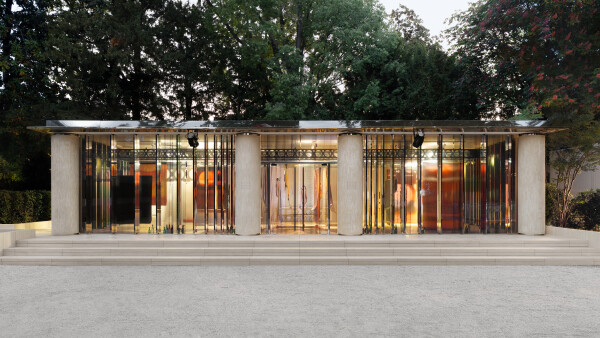
This year, Roman jeweller Bvlgari stepped in as the Art Biennale’s exclusive partner, a role it will also hold for the next two editions in 2028 and 2030. This year’s event, titled In Minor Keys, will run until November 22 at the Giardini, the Arsenale, and in various locations around the city.
Two special initiatives commemorate Bvlgari’s historic Venice Biennale debut. The first is an immersive installation by Canadian artist Lotus L. Kang, who was selected by Bvlgari as the inaugural artist for its pavilion. The second is the debut exhibition by Fondazione Bvlgari, the maison’s philanthropic and cultural arm. Held at the Biblioteca Marciana—a historic public library that symbolises the preservation and transmission of knowledge—the showcase features two site-specific works by Italian female artists Lara Favaretto and Monia Ben Hamouda: Momentary Monument – The Library and Fragments of Fire Worship.
Speaking exclusively to Remix, Fondazione Bvlgari General Director, Matteo Morbidi is eager to help us understand more about what this partnership means for Bvlgari and what exactly to expect from the maison’s Biennale debut.
What brought this partnership to fruition? And what made 2026 the right moment?
This partnership is the natural evolution of a journey that Bvlgari has been pursuing for many years through its support of culture, heritage and artistic creation. What made this moment particularly meaningful is the opportunity to move beyond individual initiatives and establish a long-term commitment with one of the world’s most influential cultural institutions. The Biennale offers an extraordinary platform for dialogue, experimentation and international exchange, and we felt it was the right moment to contribute in a structural way, supporting artists and institutions over multiple editions.
How does the Biennale partnership fit into the broader mission of Fondazione Bvlgari?
The partnership between Bvlgari and La Biennale di Venezia reflects the core mission of Fondazione Bvlgari: to generate cultural value through
long-term relationships and meaningful collaborations. We are interested in creating conditions that allow artistic research to flourish with freedom, depth and continuity. The Biennale partnership embodies this vision by supporting new artistic voices while contributing to a broader cultural ecosystem.
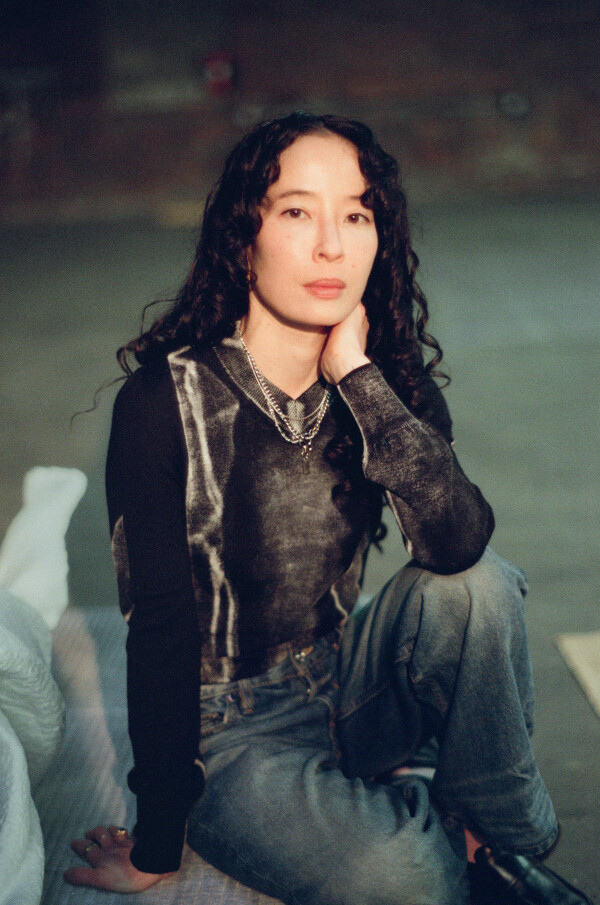
Why was Lotus L. Kang chosen as the inaugural artist, and why does her work resonate with Bvlgari’s values and identity?
Lotus L. Kang’s practice engages with themes that are deeply relevant to our cultural vision: memory, transformation, materiality and the passage of time. Her work invites viewers to reflect on how identities, objects and histories are constantly evolving rather than remaining fixed. What resonated with us is her ability to create works that are simultaneously intimate and universal, rooted in personal experience while opening broader reflections on change and impermanence. In many ways, this dialogue between continuity and transformation echoes our understanding of heritage itself—not as something static to be preserved unchanged, but as a living legacy that acquires new meanings through each generation.
This partnership spans three editions of the Biennale. How do you think the Bvlgari Pavilion will evolve across this period?
We do not see these three editions as separate chapters but as part of an ongoing cultural dialogue. Each edition will respond to its specific context, artists and curatorial perspectives. At the same time, there will be a shared commitment to supporting ambitious artistic research and fostering meaningful exchanges between contemporary creativity and broader cultural questions.
Are there particular voices or conversations that Bvlgari is interested in championing?
Rather than promoting a predetermined theme, we are interested in supporting artists whose practices open new perspectives and encourage critical reflection on the world around us. Many of the projects we are drawn to engage with questions of memory, identity, transformation and the relationship between past and present, not because these are institutional requirements, but because they reflect concerns that are central to contemporary society. Our ambition is not to define a single narrative but to create space for diverse voices and meaningful cultural conversations to emerge.
For audiences who know Bvlgari primarily for its jewellery, what do you hope they learn about the maison through its presence at the Biennale?
I hope audiences discover the depth of Bvlgari’s cultural commitment and understand that creativity has always been at the heart of the Maison. Jewellery is one expression of that creativity, but it is part of a much broader engagement with art, culture, craftsmanship and heritage. Through our presence at the Biennale, we hope people will see Bvlgari not only as a creator of exceptional objects, but also as an active participant in cultural life—one that believes in supporting artists, preserving heritage and contributing to the creation of knowledge and meaning for future generations.’
Advertisement